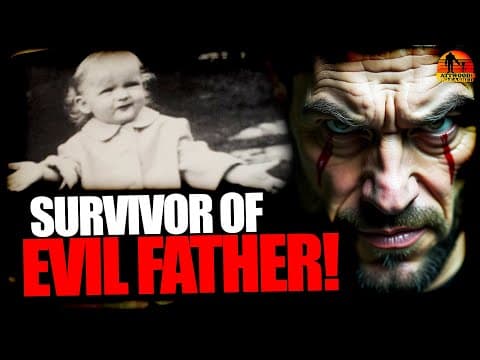
Carol shares her traumatic experiences of childhood abuse at the hands of her father, her struggles with mental health, and her journey towards healing and empowerment. Through therapy and self-discovery, she emphasizes the importance of self-love and speaking out against abuse, urging others to recognize their worth and seek help.
In a recent episode of the True Crime Podcast, Carol, a survivor of childhood abuse, shared her deeply personal and harrowing story. This blog post aims to encapsulate her experiences, the challenges she faced, and her journey towards healing and empowerment. Graphic content warning: the following narrative contains sensitive topics related to abuse and trauma.
Carol was born in Singapore, where her father served in the army. Her family moved frequently, living in Germany and eventually settling in England. Although she has few memories of her early years, her childhood in the UK was marked by confusion and fear.
From a young age, Carol sensed that something was wrong in her home life. She recalls feeling a connection to spirits and angels, which provided her some comfort amidst the chaos. However, it wasn't until she reached the age of 10 or 11 that she began to understand the severity of her situation.
Carol's father subjected her to horrific acts of abuse, using psychological manipulation to instill fear. He threatened her with violence if she ever spoke out, leading her to believe that her family would hate her if they knew the truth.
The abuse was not only physical but also deeply psychological. Carol described her father's behavior as a confusing mix of affection and cruelty, which left her feeling special yet terrified. She often felt isolated, believing that her peers could sense her trauma.
At the age of 15, Carol confided in her sister about the abuse, which led to her mother reporting their father to the police. This moment marked a significant turning point in her life, but it was fraught with fear and uncertainty.
After reporting the abuse, Carol faced a daunting experience at the police station. Despite her mother's encouragement to speak out, she struggled to find her voice. Eventually, she disclosed the abuse, but the legal repercussions were minimal; her father received only an 18-month sentence for his crimes.
Following the abuse, Carol was placed in a children's home, where she faced new challenges. Although she initially found some comfort, the environment was not without its difficulties. She often ran away, seeking a sense of belonging and safety.
At 16, Carol returned home, only to find herself in a precarious situation as her father was released from prison. She lived in constant fear of his return, leading her to take drastic measures to protect herself.
Carol's life continued to spiral as she navigated relationships and motherhood. She married a man who was a drinking partner of her father, further complicating her healing journey. The trauma she experienced manifested in various ways, including struggles with mental health and self-worth.
Despite the challenges, Carol eventually sought therapy, which became a crucial part of her healing process. She learned to confront her past, understand her worth, and begin the journey of self-love.
Through her experiences, Carol has emerged as a powerful advocate for survivors of abuse. She emphasizes the importance of speaking out and supporting one another, urging others to recognize their worth and seek help.
Carol's journey has taught her that self-love is essential for healing. She encourages others to connect with their inner selves, embrace their experiences, and find strength in vulnerability.
Carol's story is a testament to the resilience of the human spirit. Despite the horrors she faced, she has transformed her pain into a source of strength and empowerment. Her message is clear: survivors are not alone, and healing is possible. By sharing her story, Carol hopes to inspire others to speak out, seek help, and embrace their worth.
In a world where abuse often goes unspoken, Carol's voice serves as a beacon of hope for many. It is time to listen, support, and advocate for those who have suffered in silence.