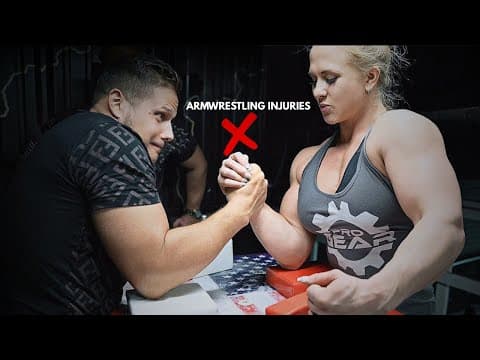
Armwrestling injuries often stem from practice rather than competition. Understanding the risks, recovery methods, and the importance of listening to your body can help prevent long-term damage. This article explores common injuries, recovery strategies, and the psychological aspects of armwrestling that contribute to injuries.
Armwrestling is a sport that demands strength, technique, and mental fortitude. However, it also comes with a significant risk of injury. In this article, we will explore the truth about armwrestling injuries that often goes unspoken, focusing on their causes, recovery, and the psychological factors that contribute to them.
One of the most surprising truths about armwrestling injuries is that they predominantly occur during practice rather than competition. Many athletes push themselves too hard in practice sessions, often driven by ego or the desire to improve. This can lead to injuries that leave them sore and unable to train effectively.
In tournaments, while the intensity is high, the injuries tend to be less frequent because competitors are more focused on strategy and technique. In practice, however, the combination of fatigue and overexertion can lead to serious injuries. If you find yourself consistently leaving practice sessions in pain, it may be time to reassess your training approach.
The humorous, the bone in your upper arm, is particularly vulnerable during armwrestling. Contrary to popular belief, humorous breaks are not just a beginner's problem. Even experienced arm wrestlers can suffer from these injuries due to sudden angle changes or poor form under pressure.
Many injuries occur when athletes attempt to push through pain instead of recognizing their limits. Understanding the mechanics of your body and the stresses placed on your joints is crucial to preventing these types of injuries.
Tendons do not heal like muscles. Many athletes mistakenly believe that resting a tendon injury is sufficient for recovery. While initial rest is important, after 24 to 48 hours, it is essential to promote blood flow to the injured area. This can be achieved through light exercises, massage, and gradual reintroduction of movement.
Ignoring the need for proper recovery can lead to chronic issues. Athletes should be cautious and listen to their bodies, gradually increasing intensity as they heal.
Long-term arm wrestlers often experience chronic damage that may not be immediately visible. Many athletes rely on various recovery methods, including therapy and pain management, to cope with ongoing issues. The reality is that chronic inflammation can severely impact performance and quality of life.
Athletes at high levels, such as professionals, often face significant challenges in managing their injuries. The pressure to perform can lead to a cycle of injury and recovery that is difficult to break.
A concerning trend among arm wrestlers is the normalization of pain. New athletes may believe that pain is a sign of hard work, while experienced pullers might ignore warning signs to avoid appearing weak. This mindset can lead to serious injuries and hinder long-term progress.
It is essential to differentiate between normal discomfort from training and pain that signals an injury. Athletes should prioritize their health and recovery to ensure longevity in the sport.
While strength training is beneficial for arm wrestlers, excessive gym strength can increase the risk of injury. Heavy lifting, especially when combined with performance-enhancing drugs, can lead to tendon ruptures. Arm wrestling requires specific strength and technique that may not be developed through traditional weightlifting alone.
Athletes should focus on training that enhances their arm wrestling skills while being mindful of their body's limits.
In arm wrestling, the most significant injuries often occur when an athlete holds on in a losing position. This defensive drag can lead to severe damage as the body is forced into unnatural angles under extreme pressure. It is crucial for athletes to recognize when to let go and avoid risking injury for the sake of pride.
Many arm wrestlers feel compelled to hide their pain due to fear of losing status or appearing weak. This culture can lead to athletes competing while injured, exacerbating their conditions. It is vital for the community to foster an environment where athletes can be honest about their injuries and prioritize their health.
Performance-enhancing drugs can create a dangerous strength gap, leading to injuries that the body cannot handle. While these substances may provide short-term gains, they can ultimately result in long-term damage to tendons and ligaments. Athletes should approach their training with caution and prioritize natural strength development.
Finally, one of the most significant mistakes athletes make is assuming that injuries will heal on their own. Some injuries can lead to permanent damage if not addressed properly. Athletes must take proactive steps in their recovery, including seeking professional help when necessary.
Ignoring injuries or delaying treatment can lead to chronic issues that affect performance and quality of life. It is essential to develop a comprehensive recovery plan that includes rest, rehabilitation, and gradual reintroduction to training.
Armwrestling is a demanding sport that requires not only physical strength but also a deep understanding of the body's mechanics and recovery processes. By acknowledging the risks associated with arm wrestling injuries and prioritizing recovery, athletes can enhance their performance and longevity in the sport. Remember, it is better to tap out early than to risk a serious injury that could sideline you for good.