Reverse mortgages may seem appealing for accessing home equity, but they come with high interest rates, fees, and risks of foreclosure that can jeopardize your financial future and that of your heirs.
In recent years, reverse mortgages have gained popularity as a financial tool for homeowners looking to access their home equity. However, many potential borrowers may not fully understand the implications of this financial product. In this blog post, we will explore the concerns surrounding reverse mortgages, particularly in light of a question posed by a viewer named Mark from Missouri.
Mark, who is 57 years old, considered a reverse mortgage to enjoy his money while he can, thinking it would benefit his younger wife, who is 32, after his passing. He believed that she could inherit the house and live there for the rest of her life. However, the reality of reverse mortgages is far more complex and potentially detrimental.
One of the primary concerns with reverse mortgages is the interest rates. The rates for reverse mortgages are often nearly double those of traditional mortgages. This means that while you may receive funds now, you are accruing significant interest that will compound over time, ultimately reducing the equity in your home.
Additionally, the fees associated with reverse mortgages are substantially higher than those for traditional mortgages. Borrowers face costs both at the beginning and throughout the life of the loan, which can quickly add up and diminish the financial benefits.
Another alarming statistic is the foreclosure rate on reverse mortgages, which is ten times higher than that of traditional mortgages. Many borrowers mistakenly believe that they cannot be foreclosed upon because they are receiving payments. However, if the homeowner fails to maintain the property—by not paying property taxes, insurance, or necessary maintenance—the lender has the right to foreclose.
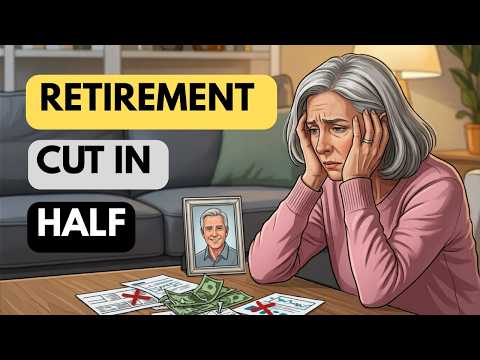
This situation can leave surviving spouses, like Mark's wife, in a precarious position. If the equity runs out, they may be forced to cover the full loan amount or surrender the home to the bank, often with little recourse.
Mark's intention to use a reverse mortgage as a means to enjoy his money now is misguided. The best financial strategy for building wealth and ensuring security for his wife is to pay off the house entirely. By doing so, they can avoid the pitfalls of reverse mortgages and create a stable financial foundation.
It is crucial for potential borrowers to educate themselves about the products they are considering. If a financial product is heavily advertised on television, particularly alongside products like Snuggies and walk-in bathtubs, it may not be the best choice. This type of marketing often targets vulnerable populations, particularly older adults, who may not fully understand the risks involved.
In conclusion, while reverse mortgages may appear to offer a quick solution for accessing home equity, they come with significant risks that can jeopardize your financial future and that of your loved ones. It is essential to consider alternatives, such as paying off your mortgage and saving for the future, to ensure long-term security. As Mark's situation illustrates, the allure of immediate gratification can lead to detrimental financial decisions that have lasting consequences.