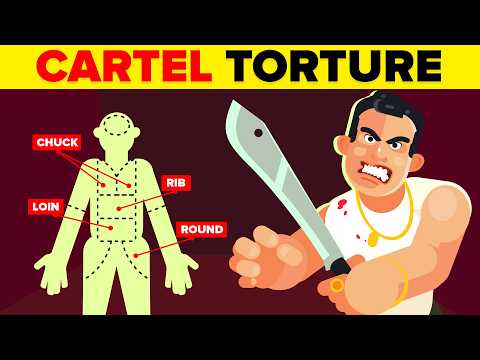
This blog post explores the brutal torture methods employed by Mexican cartels, highlighting specific cases and the psychological impact of such violence on victims and society. It delves into the extreme measures taken by cartels to instill fear and maintain control, including flaying, group murders, and psychological torture.
In the municipality of La Union Isidoro Montes de Oca, located in Mexico’s Guerrero region, a chilling scene unfolds. Two men, a father and presumably his son, lie bound on the cold ground. The father screams as his captors mercilessly beat him, issuing a terrifying warning that his entire family will suffer a similar fate. This harrowing account is just the beginning of the shocking extremes of cartel violence.
Flaying, the gruesome process of removing skin from the body, is one of the cartel's most excruciating torture methods. This method allows for prolonged agony, as victims can bleed out slowly over hours or even days. In a notorious case from 2018, a father and son faced this horrific punishment, recorded on video for the world to witness. The father, labeled a "grasshopper" for allegedly snitching to a rival cartel, was brutally beaten before having his throat cut. His son was forced to watch, only to become the next target of the executioners.
In 2014, the disappearance of 43 male students in Guerrero sparked nationwide protests. These students were reportedly abducted by local police and handed over to the Guerreros Unidos cartel. Only three bodies were recovered, one showing signs of severe beating and flaying. The students' abduction was believed to be a move to silence potential threats to cartel negotiations with local officials, showcasing the lengths cartels will go to maintain power.
Waterboarding is another method employed by cartels to extract information. This brutal technique involves tying a victim face up and pouring water over a cloth covering their mouth, simulating drowning. The psychological and physical torment can lead to severe brain damage or death, making it a favored method among torturers.
Electroshock torture, often using devices like the South American picana, delivers high-voltage shocks to sensitive areas of the body. This method is particularly effective in inflicting pain without immediate death, allowing torturers to prolong suffering. Victims often experience severe nerve damage and psychological trauma.
In a horrifying display of power, cartels have been known to force abducted individuals into gladiatorial combat. In 2010, the Zetas cartel abducted men from buses, offering them a choice: fight or die. Many were killed, and the brutality served as a warning to others about the consequences of defiance.
Marciano “Chano” Millan Vasquez, a former leader of the Los Zetas cartel, was notorious for his brutal methods, including using an axe to kill family members of those he targeted. This method was designed to instill fear and ensure that victims would remember the consequences of crossing the cartel.
In a shocking twist, some cartels have resorted to cannibalism as a means of instilling loyalty among members. Allegations against the CJNG cartel suggest that members were forced to consume parts of their victims as part of a brutal initiation process, aimed at desensitizing them to violence and reinforcing their allegiance to the cartel.
Cartels often employ psychological torture methods that can be just as damaging as physical violence. The fear of being targeted, witnessing the suffering of others, and the constant threat of violence create a climate of terror that keeps communities in line.
In some cases, law enforcement officers are complicit in cartel activities, blurring the lines between justice and organized crime. Corruption within the police force has led to instances where officers participate in or facilitate cartel violence, further eroding public trust in law enforcement.
The brutal torture methods employed by Mexican cartels serve not only to punish but also to instill fear and maintain control over communities. The psychological impact of such violence extends beyond the immediate victims, affecting families and entire neighborhoods. As cartels continue to operate with impunity, the cycle of violence and terror persists, leaving a lasting scar on Mexican society.
What do you think is the most horrifying torture method? Share your thoughts in the comments below.