
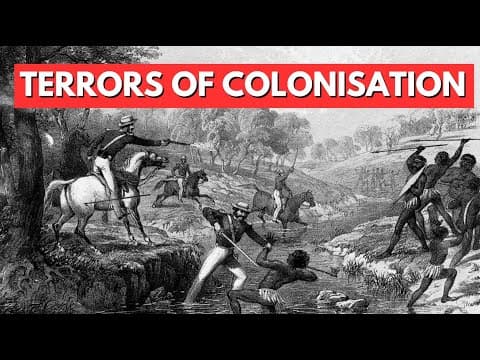
This blog post explores the devastating effects of British colonization on Indigenous Australians, detailing the historical context, cultural destruction, and ongoing challenges faced by Aboriginal communities in contemporary Australia.
The colonization of Australia by the British began in 1788 and has had lasting detrimental effects on Indigenous Australians, also known as Aboriginal Australians or First Nations people. This blog post delves into the colonial history of Australia, examining how British policies and actions have led to the destruction of Indigenous culture, poor health outcomes, and social dysfunction that persist into the 21st century.
Aboriginal Australians have occupied the continent for at least 65,000 years. They possess their own languages, religious beliefs, and social structures, organized into small tribes known as mobs. Each mob has its own territory, marked by natural boundaries such as rivers and trees. Central to Aboriginal culture is the concept of the Dreaming, which encompasses the origins of the universe and the moral framework of Aboriginal life. The Dreaming is intricately connected to the land, which is vital for the community's identity and spirituality.
Indigenous Australians practiced a hunter-gatherer lifestyle, relying on hunting and foraging for sustenance. Unlike other civilizations, such as the Aztecs or Mayans, they did not build large cities or produce food surpluses. Their focus was on protecting their land and passing it down through generations, with a deep respect for areas of spiritual significance.
The British arrived in Australia under Captain James Cook in 1770, seeking new territories as prisons in Britain overflowed. Initially, Aboriginal Australians tolerated the settlers, but as the British began to establish permanent settlements, competition for land led to inevitable conflict. The settlers' livestock and agricultural practices disrupted traditional ways of life, resulting in friction between the two cultures.
From 1788 onwards, conflicts known as the Frontier Wars erupted as Indigenous Australians resisted British encroachment. Despite their bravery, Aboriginal warriors were at a severe disadvantage, armed primarily with spears and shields against British muskets. The British viewed the land as Terra Nullius, or land belonging to no one, disregarding the presence of Indigenous peoples.
The British colonization brought diseases and alcohol, which devastated Indigenous populations. Many Aboriginal laborers were paid in alcohol or tobacco, leading to addiction and health crises. The introduction of these foreign elements contributed to a significant decline in the health and well-being of Aboriginal Australians.
One of the most tragic consequences of colonization was the forced removal of Aboriginal children from their families, known as the Stolen Generations. This policy, which lasted until the 1970s, aimed to assimilate Indigenous children into British culture, believing it would protect them. However, it resulted in profound trauma, loss of identity, and disconnection from family and culture.
Today, Indigenous Australians face significant disparities in health and social outcomes. On average, they have a life expectancy that is 20 years less than non-Indigenous Australians. The legacy of the Stolen Generations continues to affect families, with descendants experiencing higher rates of incarceration, poorer health, and unemployment.
Colonization led to the loss of many Aboriginal languages, which are crucial for preserving spirituality and cultural identity. The National Indigenous Languages Report of 2010 highlighted that speaking Indigenous languages is linked to better well-being, as it allows for clearer communication and a stronger sense of self.
In recent years, there have been attempts to rectify historical injustices. The 1992 Mabo decision recognized the land rights of Indigenous Australians, challenging the notion of Terra Nullius. Politicians have also made gestures towards reconciliation, such as Kevin Rudd's apology in 2008 to the Stolen Generations.
In 2023, Australia held a referendum to change the Constitution to recognize Indigenous Australians in Parliament. However, the proposal did not pass, reflecting ongoing skepticism and the need for more effective policies that address the deep social needs of Aboriginal communities.
The impact of British colonization on Indigenous Australians has been profound and lasting. While some progress has been made towards reconciliation, significant challenges remain. The need for connection to land, spirituality, and community is essential for the flourishing of Aboriginal Australians. Understanding this history is crucial for fostering a more inclusive and equitable society in Australia today.



















