
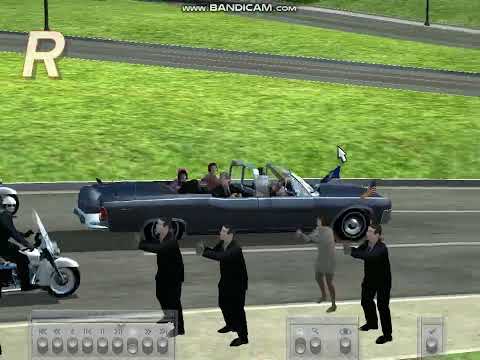
This blog post explores the events surrounding the assassination of President John F. Kennedy, detailing the immediate reactions, the situation room communications, and the implications of his death on American society.
The assassination of President John F. Kennedy on November 22, 1963, remains one of the most significant events in American history. This blog post delves into the immediate aftermath of the assassination, focusing on the communications from the Situation Room and the broader implications of this tragic event.
As news broke of the shooting, the Situation Room was activated to manage the crisis. The urgency of the situation was palpable as officials scrambled to gather information. The initial reports indicated that both President Kennedy and Texas Governor John Connally had been shot while riding in a motorcade in Dallas. The gravity of the situation was underscored by the lack of immediate clarity regarding the severity of their injuries.
The Situation Room was the nerve center for information during this crisis. Officials communicated in a structured manner, relaying critical updates. A key moment in the transcript reveals the chilling announcement: "We have report that the president is dead that he died about 35 minutes ago." This stark confirmation marked a turning point in American history, as the nation grappled with the loss of its leader.
Following the confirmation of Kennedy's death, the Situation Room issued directives for the return of the presidential plane to Washington without any stops. This decision highlighted the urgency and seriousness of the situation. Additionally, there was a clear protocol established for the handling of the president's remains, emphasizing the need for security and respect in the face of tragedy.
Amidst the chaos, there was also concern for Vice President Lyndon B. Johnson, who was in the vicinity at the time of the shooting. Reports confirmed that he was not injured, which provided a small measure of relief during a time of great uncertainty. The vice president's safety was crucial, as he was next in line to assume the presidency.
The news of President Kennedy's assassination sent shockwaves across the nation. Citizens were left in disbelief, mourning the loss of a leader who had inspired many with his vision for America. The event not only marked a tragic end to Kennedy's presidency but also ushered in a period of national introspection and change.
Kennedy's assassination had profound implications for American society and politics. It led to increased security measures for public officials and a shift in the public's perception of safety in political life. Furthermore, it sparked numerous conspiracy theories and investigations that continue to this day, reflecting the deep-seated questions surrounding the event.
The assassination of John F. Kennedy was a pivotal moment in American history, marked by confusion, grief, and a profound sense of loss. The communications from the Situation Room provide a glimpse into the immediate response to this tragedy, highlighting the gravity of the situation and the protocols that were put in place. As we reflect on this event, it is essential to understand its lasting impact on the nation and the world.



















