
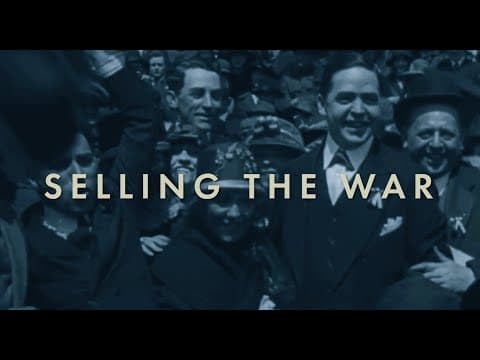
World War I prompted a massive propaganda campaign in the United States, led by George Creel and the Committee on Public Information, to mobilize public support for the war effort. This campaign utilized various media forms, including newspapers, posters, and public speaking, to foster national unity and encourage participation in the war. While effective, it also raised concerns about the dangers of propaganda, a legacy that continues to influence modern communication.
After the United States entered World War I in April 1917, President Woodrow Wilson faced the challenge of mobilizing not only the American army but also the American populace. Recognizing the difficulty of this task, Wilson initiated a comprehensive propaganda campaign aimed at garnering public support for the war effort.
Wilson's propaganda strategy was extensive, utilizing every available media outlet of the time, including newspapers, movies, posters, and even toys and games for children. This approach marked a significant evolution in the use of propaganda, paralleling the emerging advertising industry. The techniques traditionally used for commercial advertising were now repurposed to promote the American war effort.
Central to this campaign was George Creel, who transformed the propaganda initiative into a government agency known as the Committee on Public Information (CPI). The CPI's primary mission was to unify the American public behind the war. Creel recruited 75,000 volunteers, known as the "4 Minute Men," who traveled across the country speaking at movie theaters, libraries, and community gatherings. Their messages encouraged citizens to:
The 4 Minute Men were effective because they were familiar faces in their communities, which helped to foster a sense of national unity that Wilson feared was lacking.
Creel also ensured that newspapers received daily bulletins filled with pro-war articles, which they could publish copyright-free. This led to a significant increase in pro-war content in the media, as newspapers sought to fill their columns with these readily available articles.
Americans encountered propaganda everywhere they went, particularly through posters. Many of the nation’s most prominent artists created striking and often graphic images that conveyed the urgency of the war effort. Some notable examples included:
One of the most iconic images from this era was James Montgomery Flagg's poster featuring Uncle Sam pointing directly at the viewer with the message, "I want you." This image has become synonymous with American wartime propaganda and remains a cultural touchstone even a century later.
While Creel's efforts were largely successful in rallying public support, they were not without controversy. Many Americans opposed the war and the propaganda efforts, believing that the war was unjust. Those who expressed anti-war sentiments often faced severe repercussions, including imprisonment. The aggressive nature of the CPI's campaign raised concerns about the suppression of First Amendment rights and the potential dangers of propaganda.
After the war, the CPI was disbanded, but the impact of its messages lingered. Notably, the Nazis studied Creel's methods when developing their own propaganda strategies leading up to World War II.
World War I set a precedent for the use of propaganda in modern warfare, demonstrating its necessity in conveying the reasons for fighting. However, it also highlighted the risks associated with propaganda, including the potential for distortion of messages and the incitement of fear and hatred.
A century later, the legacies of World War I propaganda continue to influence how information is disseminated and perceived. While the sources of propaganda today may be less transparent than during the war, the fundamental challenges of propaganda remain relevant, reminding us of its powerful and dangerous potential.



















