
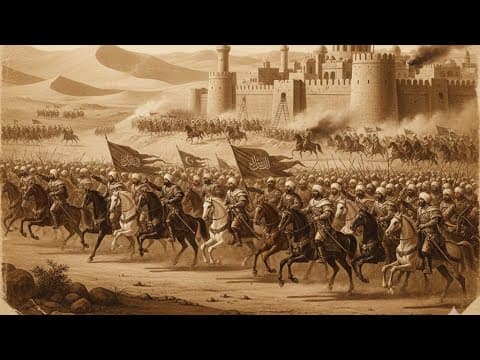
This blog post narrates the fascinating tale of Klyneus, a Jewish inventor during the Umayyad Caliphate, who created a weapon known as Greek fire to thwart Muslim advances in Constantinople. The story explores themes of ingenuity, rivalry, and the historical significance of oil and its derivatives in warfare.
In the early days of the Umayyad Caliphate, a remarkable story unfolds in Syria involving a brilliant Jewish inventor named Klyneus. His tale is one of rivalry, innovation, and the historical significance of oil in warfare.
During the reign of Muawiya, the Muslims were preparing to besiege Constantinople. Klyneus, unable to tolerate the successes of the Muslims, devised a plan to thwart their advances. He believed that if he could open the gates of Constantinople, the Muslims would be defeated.
Klyneus had a military invention that he claimed could save the Christians from the Muslims. He approached the Byzantine defenders and, after some skepticism about his intentions, was allowed to demonstrate his invention. He requested a ship and two days to prepare.
In his makeshift workshop, Klyneus worked tirelessly to create a substance that would burn on water. This substance, later known as Greek fire, was a revolutionary weapon that could stick to ships and clothing, causing devastating damage to the Muslim fleet. The Muslims, unprepared for such a weapon, faced significant losses during the siege.
The story of Klyneus also highlights the historical use of oil in warfare. The Greeks had utilized oil for centuries, and Klyneus's invention was a sophisticated application of this ancient knowledge. The use of oil in warfare would evolve significantly over the centuries, leading to the modern oil industry.
By the 19th century, the understanding of oil as a source of energy had advanced. The first oil well was drilled in 1853, leading to the production of kerosene and gasoline. This marked the beginning of the oil industry as we know it today, with companies like Aramco emerging as major players in the global market.
Despite his initial success, Klyneus's story does not end with the invention of Greek fire. He remained in Byzantine territory, attempting to create further inventions. His legacy is a testament to the ingenuity of individuals in times of conflict and the impact of innovation on historical events.
The tale of Klyneus serves as a reminder of the complex interplay between technology, warfare, and cultural rivalry. His invention not only changed the course of a siege but also laid the groundwork for future advancements in military technology. The historical significance of oil, as demonstrated through Klyneus's story, continues to resonate in today's world, where energy resources play a crucial role in global politics and economics.



















