The ongoing conflict in Iran is witnessing a significant shift as Iranian citizens actively provide intelligence against the IRGC and its militia groups. This grassroots information network, combined with targeted military strikes by US and Israeli forces, is systematically dismantling IRGC outposts. The regime's forces are losing morale, signaling a potential turning point in Iran's internal struggle.
The current situation in Iran is unlike previous conflicts in the Middle East such as Iraq, Afghanistan, or Libya. While many experts have drawn parallels to those conflicts, the reality on the ground in Iran is fundamentally different. A critical factor often overlooked is the role of the Iranian citizens themselves, who have endured oppression, torture, and violence under the Islamic Revolutionary Guard Corps (IRGC).
Iran's population includes the real Persians, who historically are not Muslim, adding a unique cultural and historical dimension to the conflict. The Iranian people have been subjected to harsh repression by the IRGC, including street executions and suppression of dissent.
Recently, a new dynamic has emerged: Iranian citizens are actively providing intelligence to external forces about the locations and activities of IRGC and its paramilitary volunteer militia, known as the Basij. This grassroots intelligence network is unprecedented in its scale and impact.
The Basij is a branch of the IRGC composed of volunteer paramilitary forces. They operate militia headquarters and compounds across Iran and have been instrumental in suppressing protests and intimidating the population.
With the intelligence provided by Iranian citizens, US and Israeli forces have been able to conduct precise airstrikes and drone attacks on Basij bases and IRGC outposts. Videos circulating on social media show these militia compounds being obliterated, signaling a new level of military dominance.
The US Department of Diplomatic Security Service has publicly announced a bounty program offering up to $10 million for information on key IRGC leaders. This program incentivizes citizens to come forward with actionable intelligence, further enhancing the effectiveness of military operations.
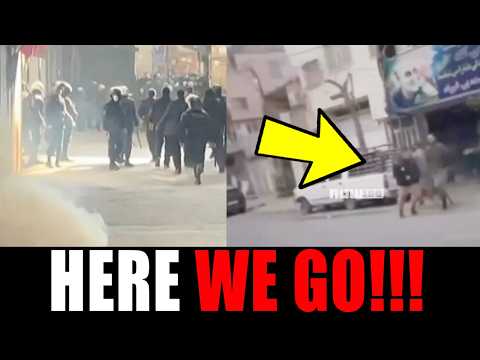
The regime's forces are reportedly losing confidence and morale. Videos and audio recordings from within Iran reveal that IRGC personnel are fleeing bases, expressing a desire to surrender, and fearing drone attacks. Some security forces are even hiding in schools and other civilian buildings to avoid being targeted.
The Haron UAV, capable of continuous flight for up to 36 hours and equipped with missile launchers, has been used to gather signals intelligence and conduct strikes. Iranian forces are advised to turn off mobile phones and clear streets when the UAV is overhead to avoid detection and attack.
The systematic destruction of Basij outposts and IRGC militia bases not only weakens the regime's military presence but also potentially opens the door for the Iranian people to reclaim their country. The Basij militias have been the regime's muscle on the streets, suppressing dissent and protests. Removing them could create space for genuine popular uprisings.
The conflict in Iran is evolving rapidly, with Iranian citizens playing a pivotal role in undermining the IRGC through intelligence sharing. This grassroots activation, combined with precise military strikes, is creating a strategic opportunity that could alter the balance of power within the country. While the situation remains fluid, the activation of the Iranian people marks a significant development that mainstream media has largely overlooked.
The coming weeks and months will be critical in determining whether this momentum leads to substantial change in Iran's political landscape.
Thank you for reading. Stay informed and engaged as this important story unfolds.