
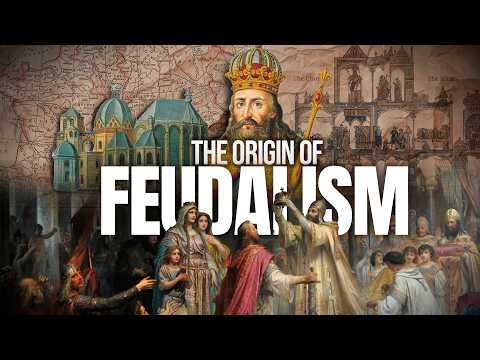
Charlemagne, crowned Emperor of the Romans in 800 AD, expanded the Frankish Empire to unprecedented heights, influencing governance, culture, and education during the Carolingian Renaissance. His strategic alliance with the papacy and administrative reforms laid the groundwork for the future of Europe, despite challenges from the Byzantine Empire and internal power dynamics.
Charlemagne, often referred to as Charles the Great, was a pivotal figure in European history, ruling over an empire that encompassed more than 10 million people at its height. His reign marked a significant turning point in the Middle Ages, characterized by military conquests, cultural revival, and the establishment of a new order in Christendom.
Charlemagne's ascent to the title of Emperor was not a spontaneous event but rather the culmination of strategic planning and political maneuvering. On Christmas Day in 800 AD, during a mass at Old St. Peter's Basilica in Rome, Pope Leo III crowned him Emperor of the Romans. This moment was steeped in symbolism, as it represented the alliance between the Frankish monarchy and the Catholic Church, positioning Charlemagne as a divine ruler tasked with maintaining justice and peace.
Despite the traditional narrative suggesting that Charlemagne was surprised by the coronation, historical accounts indicate that both he and Pope Leo had conspired to solidify their relationship. This alliance was crucial, especially given the geopolitical threats posed by the Islamic Crescent and the Byzantine Empire.
Charlemagne's reign heralded the Carolingian Renaissance, a revival of art, culture, and learning that laid the foundations for the future of Europe. He emphasized education and literacy, establishing monastic scriptoria where classical texts were copied and preserved. This effort ensured that many works from antiquity survived, influencing future generations.
Charlemagne's court became a hub of intellectual activity, attracting scholars from across Europe. He promoted the liberal arts, which included grammar, rhetoric, logic, music, geometry, arithmetic, and astronomy. His personal library was extensive, containing both Christian theological works and classical texts, reflecting his belief in the value of knowledge.
To manage his vast empire, Charlemagne implemented a sophisticated administrative system. He appointed counts to govern counties, established missi dominici (royal agents) to oversee local administration, and created marcher lords to defend the empire's frontiers. This structure allowed him to maintain control over a diverse population and ensure the efficient functioning of his realm.
Charlemagne's legal reforms included the issuance of capitularies, which were decrees that outlined laws and regulations. These documents served as a means to express his authority and address various aspects of governance, from land management to military obligations.
Charlemagne's coronation as Emperor of the Romans posed a significant challenge to the Byzantine Empire, which also claimed the title of emperor. The Byzantine Empress Irene of Athens ruled over the eastern remnants of the Roman Empire, creating a complex dynamic between the two powers. The relationship between the papacy and the Byzantine Empire deteriorated, paving the way for the rise of the Carolingian Empire as a dominant force in Western Europe.
Einhard, Charlemagne's biographer, provides a vivid description of the emperor, noting his physical stature, strong presence, and dedication to his family. Charlemagne was known for his love of hunting and swimming, often inviting nobles and friends to join him in these activities. Despite his many conquests and reforms, he remained a family man, deeply involved in the upbringing of his children.
Charlemagne's death in 814 AD marked the end of an era. He left behind a legacy that would shape the future of Europe, influencing the development of the Holy Roman Empire and the relationship between church and state. His successors, however, would struggle to maintain the unity and strength of the empire he had built.
Charlemagne's reign was characterized by military prowess, cultural revival, and administrative innovation. His ability to unite diverse peoples under a single banner and his commitment to education and governance laid the groundwork for the future of Europe. While the empire he built would eventually fragment, the impact of his rule continues to resonate throughout history, earning him the title of "Father of Europe."
In the centuries following his death, the legend of Charlemagne grew, with many believing he would return in the end times. However, the Charlemagne we know was a man of action, whose restless spirit and relentless pursuit of knowledge and power defined his legacy as one of history's greatest rulers.



















