
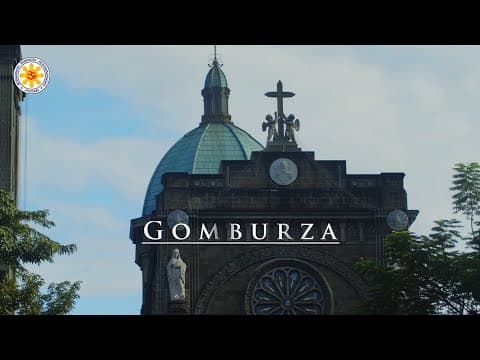
The GOMBURZA, consisting of three Filipino priests—Mariano Gomes, Jose Burgos, and Jacinto Zamora—became symbols of resistance against Spanish colonial rule. Their execution in 1872 catalyzed the rise of Filipino nationalism, inspiring future movements for independence and reform. This blog post explores their historical context, contributions, and lasting impact on Philippine society.
Before the pivotal year of 1872, various revolts against Spanish colonialism occurred in the Philippines, including the Gabriela Silang, Palaris, and Tamblot revolts. However, these uprisings were fragmented and lacked unity, which contributed to their failure against the colonizers. The struggle for independence in the Philippines has deep roots, tracing back to the first revolts led by Filipinos with religious motivations, such as those by Bancao in Leyte and Hermano Pule in Tayabas.
The tradition of resistance against colonial rule was marked by significant figures like Hermano Pule, who led the Cofradia de San Jose. His organization was crushed by the Spanish colonial government in 1841, leading to a massacre of its members. This event sparked further revolts, including the Tayabas regiment's attack on Fort Santiago in 1843, where cries for independence echoed.
The political landscape shifted in 1868 with the Glorious Revolution in Spain, which brought a liberal governor-general, Carlos Maria de la Torre, to the Philippines. His administration attempted to implement reforms, but after two years, the monarchy was restored, leading to a more oppressive regime under Rafael de Izquierdo.
The 19th century saw a wave of liberal ideas from Europe, influenced by the abolition of the Galleon Trade and the opening of the Suez Canal. These ideas, advocating for equality and self-empowerment, began to permeate Filipino society, challenging the authority of the Spanish friars who had long held power over the local populace.
The struggle for secularization became a focal point for Filipino priests, particularly Fr. Pedro Pelaez, who advocated for the rights of secular priests to manage parishes. This movement faced resistance from the friars, who were reluctant to relinquish their control.
The three priests—Mariano Gomes, Jose Burgos, and Jacinto Zamora—emerged as key figures in the secularization movement. They were part of a broader Committee of Reformers that included lawyers, businessmen, and students advocating for change. Their efforts were met with suspicion by the colonial government, particularly after the Cavite Mutiny on January 20, 1872, which was a reaction to the stripping of privileges from Filipino soldiers.
Despite their lack of direct involvement in the mutiny, the three priests were arrested and accused of conspiracy. Their trial was swift and unjust, culminating in their execution on February 17, 1872, at Bagumbayan (now Luneta Park). The execution was a shocking event for the Filipino populace, as it demonstrated the lengths to which the colonial government would go to suppress dissent.
The martyrdom of Gomes, Burgos, and Zamora had profound implications for the Philippine nationalist movement. Their deaths galvanized public sentiment against Spanish rule and inspired future generations to pursue independence. The term "GOMBURZA" became synonymous with the struggle for Filipino rights and served as a rallying cry for reformers and revolutionaries alike.
Historians like Teodoro Agoncillo argue that the execution marked a turning point in Philippine history, fostering a sense of national identity among Filipinos who began to see themselves as part of a larger collective rather than merely as members of regional groups.
The legacy of GOMBURZA extends beyond their tragic end; it represents the awakening of Filipino nationalism and the fight for justice and equality. Their martyrdom inspired the Propaganda Movement, led by figures such as Jose Rizal and Andres Bonifacio, ultimately contributing to the Philippine Revolution and the quest for independence in 1898. The story of Gomes, Burgos, and Zamora serves as a reminder of the sacrifices made in the pursuit of freedom and the enduring spirit of the Filipino people.



















