
This blog post explores some of the most brutal and inhumane punishments throughout history, detailing methods such as the Rat Dungeon, The Rack, Keelhauling, and more, highlighting the extreme cruelty inflicted on prisoners and the psychological terror involved.
Throughout history, societies have devised some of the most brutal forms of punishment imaginable. This post delves into ten of the most horrific punishments that have been inflicted upon individuals, showcasing the extreme cruelty and psychological terror involved.
In medieval London, the Rat Dungeon was a place of unimaginable horror. Located at the bottom of the Tower of London, prisoners were shackled in complete darkness. The dungeon was connected to the nearby river, and when water levels rose, hungry rats would be forced into the dungeon.
Prisoners would hear the soft scurrying of rats approaching, but they would never see them. Over time, the rats would begin to bite the helpless prisoners, who could do nothing to defend themselves. This punishment could last for days or even weeks, eventually leading to the prisoner’s death from exhaustion or infection.
Another infamous torture device used in the Tower of London was the Rack. This device resembled a large ladder with rotating steps. Prisoners were tied to the Rack, and officials would slowly tighten the ropes, causing excruciating pain as their joints were dislocated.
The Rack was often used to extract confessions, but many prisoners would say anything to stop the torture. One notable victim was Anne Askew, who was tortured for hours, left paralyzed, and ultimately burned at the stake for her religious beliefs.
Keelhauling was a brutal punishment for sailors who committed crimes at sea. The sailor would be tied with ropes and thrown overboard, dragged around the ship’s keel. This punishment often resulted in drowning or severe injuries from barnacles.
If a sailor survived, they faced either a second round of keelhauling or a slow death from infections. Those who lived would be left with horrific scars, serving as a constant reminder of their punishment.
This gruesome form of execution was used in various cultures, most notably in India during the 19th century. Offenses such as failing to pay taxes could lead to being crushed by an elephant.
The execution could be swift or prolonged, with the elephant crushing limbs before delivering the final blow. This method was often used for entertainment, showcasing the power of the ruling class.
Impalement was one of the most grotesque punishments, used against highway robbers and rebels. The victim would be sliced open, and a sharpened stake would be thrust into their body, often resulting in a slow and agonizing death.
In some cases, victims were left to suffer for hours or even days, serving as a public warning against crime.
Poena Cullei, or the penalty of the sack, was reserved for those who murdered family members. The convicted would be placed in a leather bag with a dog, a rooster, a viper, and a monkey before being thrown into the sea.
This punishment was designed to be both terrifying and isolating, ensuring that the murderer faced a horrific end.
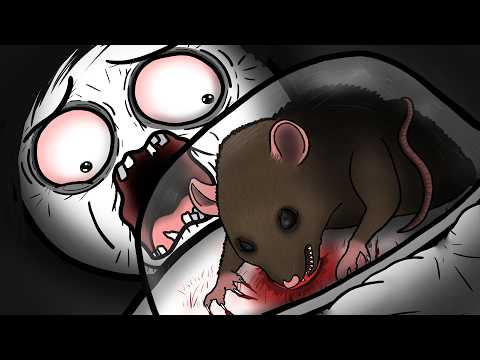
Rats were used in various torturous punishments. One method involved placing a rat in a clay bowl on a prisoner’s body and heating the bowl, forcing the rat to burrow into the victim to escape the heat.
Another method, used under the dictatorship of Augusto Pinochet, involved inserting a rat into a tube placed on a prisoner’s body, forcing it to burrow inside. This method was not only painful but also psychologically tormenting.
Gibbeting involved hanging criminals in cages as a public spectacle. This punishment was used in England and the United States, where the bodies would often be left to rot, creating a horrific sight for passersby.
The lingering smell of decay served as a grim reminder of the consequences of crime.
Scaphism was a torturous punishment used by the ancient Persians. The condemned would be trapped in a boat, force-fed milk and honey, and left exposed to the elements.
This method attracted insects and rodents, leading to a slow and agonizing death over several days, as the victim suffered from extreme discomfort and infestation.
The Oubliette, meaning "to forget" in French, was a dark dungeon where prisoners were thrown and left to die. Often, these cells were so small that prisoners could neither sit nor lie down.
Many were left to suffer alongside the remains of previous occupants, with the constant threat of starvation or dehydration. Some prisoners endured this fate for years, hearing the laughter of those outside, a cruel reminder of their lost freedom.
In conclusion, the history of punishment is filled with unimaginable cruelty and suffering. These methods not only inflicted physical pain but also served to instill fear in society, reflecting the darker aspects of human nature and the lengths to which people will go to exert control over others.



















