The case of Gareth Williams, a codebreaker for MI6 found dead in a locked bag in his apartment, raises numerous questions about his death, potential foul play, and the implications of his secretive work in intelligence. Despite extensive investigations, the true circumstances surrounding his demise remain a mystery, with theories ranging from accidental death to assassination.
On Monday, August 23, 2010, PC John Gallagher of the Metropolitan Police arrived at 36 Alderney Street, Pimlico, London, to investigate the disappearance of Gareth Williams, a codebreaker for MI6. Williams had been reported missing by a colleague after failing to show up for work for over a week. His absence was particularly alarming given his role in national security.
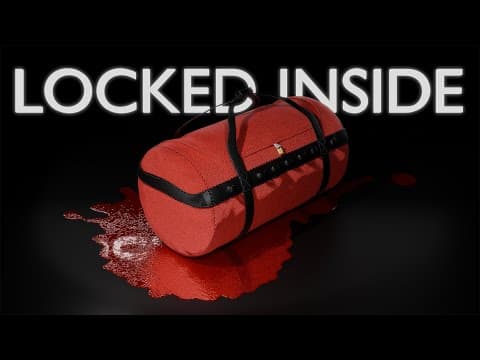
Upon entering Williams' apartment, Gallagher found it tidy but noted several peculiar items: a woman's wig, a factory-reset phone with multiple SIM cards, and unusually high radiator temperatures despite the warm weather. The most shocking discovery was a red duffel bag in the bathtub, secured with a padlock. When police opened the bag, they found Williams' naked body inside, leading to an urgent investigation into the circumstances of his death.
Born in Anglesey, Wales, in the late 1970s, Gareth Williams was recognized for his exceptional intelligence from a young age. He excelled in mathematics, completing his GCSEs and A-levels at remarkably young ages. Williams earned a PhD and was recruited by GCHQ, where he played a crucial role in thwarting terrorist plots, including the infamous "Liquid Bomb" plot. His work eventually led him to MI6, where he became involved in high-stakes espionage.
Williams lived a private life, rarely discussing his job and maintaining a low profile. He was unmarried, an avid cyclist, and described as introverted. His death raised numerous questions about his personal and professional life, prompting a deep dive into the evidence surrounding his demise.
Forensic examinations revealed that Williams' body was in an advanced state of decay, suggesting he had been dead for nearly two weeks. His body was contorted in the duffel bag, leading investigators to initially suspect dismemberment. The bag contained the key to the padlock, yet there were no signs of struggle or forced entry into the apartment. Pathologists found no evidence of trauma, drugs, or alcohol in his system, and tests for poisons returned negative results.
The apartment contained several oddities: a green towel with unidentified DNA, women's clothing worth over £15,000, and a newspaper clipping titled "The Top Five Regrets of the Dying." The front door had been double-locked from the outside, and the radiators were set to high heat, raising further suspicions about the circumstances of his death.
Initial theories suggested murder, given the bizarre nature of the crime scene. However, as investigations progressed, some speculated that Williams may have died accidentally or even by his own hand. Rumors about his sexuality and potential involvement in S&M practices circulated, but many of these claims were later debunked.
Despite the lack of conclusive evidence, some experts suggested that Williams may have engaged in erotic asphyxiation, given the presence of women's clothing and the wig. However, the question remained: how could he have locked the bag from the inside?
The investigation revealed that Williams had been seen in the days leading up to his death, including a sighting at a local café where he was reportedly working on a laptop. However, his whereabouts after August 15 remained unknown until his body was discovered. Some theorized that he may have been targeted by foreign agents, particularly given the context of his work involving Russian interference.
The investigation faced numerous setbacks, including administrative errors that compromised potential leads. DNA found at the scene was misidentified, and crucial evidence was lost when the front door was removed. The inquest into Williams' death concluded that he was likely unlawfully killed, yet the police maintained that he may have died accidentally.
One leading theory suggests that Williams was murdered by Russian agents due to his involvement in cases related to Russian organized crime. This theory aligns with a pattern of suspicious deaths among intelligence agents during that period. Some speculate that Williams was coerced into revealing sensitive information before being killed to silence him.
Fifteen years after Gareth Williams' death, the truth remains elusive. The complexities of his work in intelligence and the circumstances surrounding his demise have led to numerous theories, but no definitive answers. As we reflect on his life, it is essential to remember Gareth Williams not just as a victim of a tragic mystery but as a brilliant mind who contributed significantly to national security. His legacy deserves to be honored beyond the sensationalism of his untimely death, reminding us of the human story behind the headlines.