Many armwrestlers hinder their progress by engaging in improper pinning practices and neglecting to train all fundamental techniques. To improve effectively, one must avoid casual pinning, learn all four basic armwrestling techniques regardless of preferred style, and maintain consistent, injury-free training. True progress comes from focused practice and challenging opponents, not just winning casual matches.
Armwrestling is a sport that requires not only strength but also technique, strategy, and proper training habits. Many enthusiasts unknowingly stunt their progress by making critical mistakes during practice and competition. This article explores the most common mistake that kills armwrestling gains and offers practical advice on how to train effectively for continuous improvement.
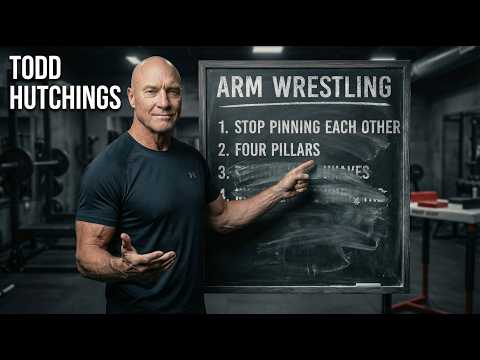
One of the biggest mistakes armwrestlers make is casually pinning each other without proper structure. Walking up to the table and blasting into your opponent to the pin pad without a fair start or referees is counterproductive. This informal approach slows down your development because it does not simulate real match conditions.
If you want to pin your opponent, do it in a real match setting. This means having a fair start, proper grip, and a referee to ensure the rules are followed. Real matches provide the challenge and pressure necessary to improve your skills and strength. Casual pinning, on the other hand, can create bad habits and give a false sense of progress.
Another critical error is focusing exclusively on one technique based on your preferred style. For example, some armwrestlers identify as hook pullers and only train hook exercises. However, this narrow focus limits your versatility and ability to respond to different opponents.
Even if you specialize in one technique, you must learn and practice all four. For instance, hook pullers should know how to top roll, and top rollers should be familiar with pressing. Everyone needs to understand how to counter a king's move, even if it seems extreme or uncomfortable.
Many armwrestlers treat table time as a way to rack up wins. However, consistently winning every casual match at the table is a sign that you are either not challenging yourself or not practicing honestly. The goal of table time should be to learn, experiment, and improve, not just to win.
To grow stronger and better, seek out opponents who challenge your skills. Training with people who can push you to your limits is essential for progress. If you are always winning easily, it’s time to find a new club or training partners who can provide a real test.
When asked how to stay in great shape at an older age, the answer is surprisingly straightforward: avoid injuries and maintain focus in training.
Age itself is not the limiting factor; rather, it is the ability to train consistently without injury. Training should make you stronger and healthier. If your training is not leading to strength gains, then your approach needs adjustment.
Injuries and distractions such as other interests or loss of focus detract from your training effectiveness. Staying injury-free and focused allows you to continue progressing regardless of age.
The number one mistake that kills your armwrestling gains is casual, unstructured pinning combined with a narrow focus on only one technique. To truly improve, you must:
By following these principles, you can ensure continuous strength gains and skill development in armwrestling, no matter your age or experience level.