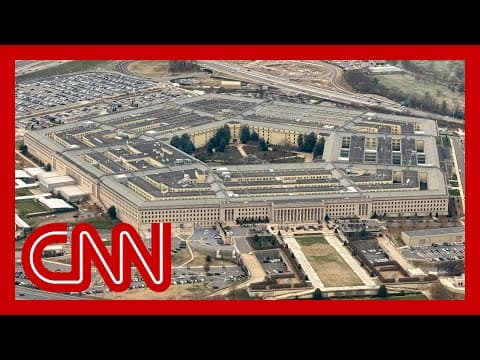
The Pentagon has acquired and is testing a device suspected to be linked to Havana Syndrome, a mysterious illness affecting U.S. diplomats, spies, and troops worldwide. The device emits pulsed radio waves and contains Russian components. Investigations suggest involvement of Russian military intelligence, raising concerns about foreign adversaries targeting U.S. personnel. Victims seek answers and accountability as research continues.
Nearly a decade ago, U.S. diplomats stationed in Havana, Cuba, began reporting alarming symptoms including vertigo, severe headaches, and other signs of neurological trauma. This cluster of symptoms later became known as Havana Syndrome. Since then, similar cases have been reported worldwide, affecting American spies, diplomats, and military personnel both abroad and domestically.
Recent reports reveal that the Pentagon purchased a device for millions of dollars through an undercover operation conducted jointly with the Department of Homeland Security during the final days of the Biden administration. For over a year, U.S. officials have been examining and studying this device to determine if it is linked to the mysterious health incidents associated with Havana Syndrome.
While no definitive conclusion has been reached, new evidence suggests a potential connection. The device produces pulsed radio waves, a phenomenon long speculated by U.S. officials and academics as a possible cause of the symptoms reported by victims.
Composition: The device is not entirely Russian in origin but contains various Russian components. This raises significant concerns about the involvement of a foreign adversary, particularly Russia, in developing technology potentially used to target U.S. officials worldwide.
Portability: The device is relatively small and can fit into a backpack. This portability addresses a key question among U.S. officials about how such a device could cause significant damage while remaining mobile.
Michael Weiss, editor for The Insider and an investigative journalist, has extensively reported on Havana Syndrome. His investigations uncovered evidence linking a Russian military intelligence unit, known as Unit 29155, to directed energy weapons research dating back to 2014, predating the first known Havana Syndrome cases in 2016.
Unit 29155 is notorious for kinetic operations, including the poisoning of Sergei and Yulia Skripal in Salisbury and an attempted coup in Montenegro. Weiss's team located operatives from this unit near U.S. diplomatic sites in Tbilisi, Georgia, and Frankfurt, Germany, at different times.
Medical records of two victims from these locations showed neurological symptoms consistent with traumatic brain injuries and debilitating ailments, including blindness and the need for a weighted vest to maintain balance.
The investigation led to bipartisan calls from U.S. senators, including then-Senator Marco Rubio, urging the Biden administration to reinvestigate the root causes of Havana Syndrome. However, some political figures, such as Senator J.D. Vance, initially dismissed these findings.
The intelligence community's stance has evolved over time. An Intelligence Community Assessment (ICA) released in January 2025 indicated a 50/50 chance that such a device exists and may have been used against Americans abroad. The House Permanent Select Committee on Intelligence also reported that it is increasingly likely that some cases are caused by a foreign adversary.
A former CIA officer, referred to as "Adam" for secrecy, claims to be patient zero, the first person evacuated from Cuba after experiencing Havana Syndrome symptoms. He described his experience as terrifying, with extreme head pressure escalating over 15 to 20 minutes, leading to blackouts.
Adam expressed cautious optimism about the Pentagon's acquisition of the device, hoping it represents progress toward understanding and addressing the syndrome. However, he also voiced concerns about potential cover-ups, noting that the Intelligence Community Assessment initially dismissed the syndrome despite the government possessing the device.
If the device is confirmed as the cause of Havana Syndrome, it raises alarming possibilities:
Proliferation: The technology could have spread to multiple foreign countries, increasing the risk of attacks on U.S. personnel worldwide.
Accountability: Victims seek recognition, answers, and support for the debilitating health effects they have suffered.
National Security: Understanding and countering such technology is critical to protecting U.S. diplomats, spies, and troops.
The Pentagon's ongoing testing of a device potentially linked to Havana Syndrome marks a significant development in unraveling the mystery behind this debilitating illness. While definitive conclusions remain elusive, the evidence points toward a sophisticated, portable device emitting pulsed radio waves, possibly developed with Russian components.
Continued investigation and transparency are essential to provide answers for victims, ensure accountability, and safeguard U.S. personnel from future attacks. The evolving understanding of Havana Syndrome underscores the complex challenges posed by emerging technologies in modern espionage and international relations.