Modern fantasy adaptations like The Witcher, Rings of Power, and Wheel of Time fail to capture the creativity, distinct world-building, and profound storytelling of classic fantasy works such as Lord of the Rings. These shows suffer from homogenized aesthetics, poor dialogue, and disregard for source material, resulting in a loss of escapism and authenticity that fans deeply value.
From a young age, fantasy has captivated millions with its boundless creativity and imaginative worlds. Classics like The Hobbit, Harry Potter, Lord of the Rings, The Chronicles of Narnia, Eragon, and Percy Jackson and the Olympians have defined the genre for many, offering rich worlds filled with unique cultures, magic systems, and epic adventures. These stories not only entertained but inspired a deep love for fantasy that often lasts a lifetime.
The cinematic adaptation of Lord of the Rings remains a pinnacle of fantasy storytelling, combining masterful writing, profound themes, and unforgettable characters. Nearly 25 years since its release, it continues to evoke awe and admiration, setting a high bar for fantasy adaptations.
However, in recent years, the fantasy genre on screen has struggled to live up to these standards. Shows like The Witcher, Rings of Power, and Wheel of Time have attempted to bring beloved stories to life but have largely been met with disappointment. This article explores the reasons behind the decline in quality and what it means for the future of fantasy.
One of the core appeals of fantasy is escapism—the ability to immerse oneself in worlds vastly different from our own. This requires distinct cultures, unique aesthetics, and imaginative creatures that transport viewers away from reality.
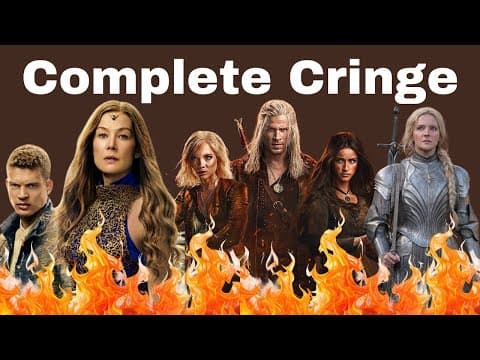
Unfortunately, many recent fantasy adaptations fail to create this sense of escapism. The worlds depicted in The Witcher, Rings of Power, and Wheel of Time often look indistinguishable from one another. Characters, costumes, and settings share similar dull, washed-out color palettes and repetitive designs. For example, elves across these shows serve the same narrative function and look alike, while villages and towns lack unique cultural identities.
This homogenization extends to characters as well. Despite being set in medieval-inspired worlds, these shows feature ethnically diverse casts that do not reflect the historical or cultural contexts of their settings. Women are often portrayed in identical leadership roles, and the dynamics between genders are portrayed as interchangeable, which, while progressive in intent, can feel unrealistic and detract from world-building.
Classic fantasy excels in creating distinct regions and peoples. In Lord of the Rings, for instance, Rohan and Gondor differ significantly in architecture, clothing, and customs. Orcs from different regions have unique appearances and behaviors. These differences enrich the narrative and deepen the immersive experience.
By contrast, modern shows often present a bland, uniform world that lacks the depth and variety necessary for true escapism.
Another hallmark of classic fantasy is its nuanced, profound dialogue. Many original authors, such as J.R.R. Tolkien and Robert Jordan, drew from their real-life experiences, including military service, to infuse their stories with themes of duty, sacrifice, war, and hope.
Recent adaptations often feature dialogue that is convoluted, pretentious, or nonsensical. Lines filled with forced metaphors fail to convey the gravity or authenticity found in earlier works. Instead of exploring universal themes with clarity and depth, these shows resort to cryptic or overly stylized speech that alienates viewers.
Many modern showrunners lack the life experience or respect for the original works that informed the classic stories. Some have openly mocked the source material or altered key characters and themes to fit contemporary agendas or personal visions. For example, The Witcher series shifted focus away from its titular character and introduced new storylines that diverged significantly from the books.
This disconnect results in adaptations that feel like vanity projects or vehicles for social messaging rather than faithful retellings of beloved tales.
The cumulative effect of these issues has led to a decline in the quality and reception of modern fantasy adaptations. Fans have expressed dissatisfaction, leading to cancellations and declining viewership for shows like Wheel of Time and The Witcher. Rings of Power also faces an uncertain future.
Despite these setbacks, there is hope. Shows like House of the Dragon demonstrate that it is possible to create fantasy content that respects its source material and resonates with audiences.
The fantasy genre thrives on creativity, distinct world-building, and meaningful storytelling. While classic works and their adaptations have set a high standard, many recent attempts have fallen short due to homogenized aesthetics, poor dialogue, and a lack of respect for the original material.
For fantasy to reclaim its place as a beloved and respected genre on screen, creators must prioritize authenticity, depth, and a genuine love for the stories they adapt. Only then can new generations experience the magic and escapism that made fantasy a lifelong passion for so many.
What are your thoughts on the current state of modern fantasy and the adaptations discussed? Share your opinions and join the conversation below.