
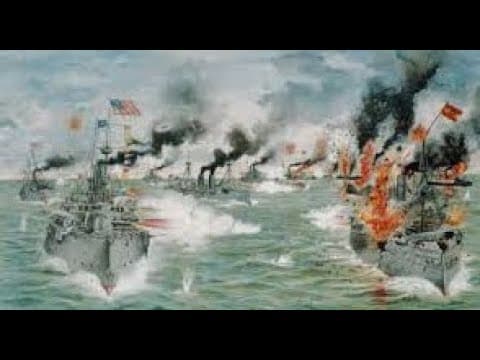
This blog post explores the period of American imperialism from 1898 to 1917, focusing on the Spanish-American War, its causes, key events, and consequences, including the annexation of territories and the shift in U.S. foreign policy.
The late 19th and early 20th centuries marked a significant turning point in American history, characterized by the nation's emergence as a world power. This period, spanning from 1898 to 1917, is often defined by U.S. imperialism, which was driven by various economic, political, and social factors. This blog post delves into the key events and implications of this era, particularly focusing on the Spanish-American War.
Imperialism refers to the policy of a strong nation dominating weaker nations economically, militarily, or culturally. During this period, the United States sought to expand its influence and control over territories beyond its borders.
Several arguments fueled the push for imperialism:
As Secretary of State under Abraham Lincoln, Seward was a prominent advocate for territorial expansion. He orchestrated the purchase of Alaska from Russia, which was initially mocked but later proved to be a valuable acquisition due to its natural resources.
Roosevelt emerged as a key figure in American imperialism, advocating for a strong naval presence and expansionist policies. His involvement in the Spanish-American War as a leader of the Rough Riders solidified his status as a national hero.
The Spanish-American War was ignited by several factors:
The war was brief, lasting only a few months, and was dubbed a "Splendid Little War." Key events included:
The Treaty of Paris in 1898 concluded the war, resulting in:
Following the acquisition of the Philippines, a debate ensued regarding its status:
The Supreme Court's decisions in the Insular Cases allowed Congress to determine the rights of territories, leading to a patchwork of citizenship rights for Puerto Ricans and Filipinos.
In 1901, the Platt Amendment was added to the Cuban Constitution, granting the U.S. the right to intervene in Cuban affairs and establishing a permanent naval base at Guantanamo Bay.
The Spanish-American War marked a significant shift in U.S. foreign policy, establishing the nation as a recognized world power. The war not only fueled national pride but also set the stage for future American interventions abroad. As the U.S. navigated its new role on the global stage, the implications of imperialism would continue to shape its identity and policies for decades to come.



















