
This blog post explores the evolution of America's modern vertical cities, highlighting key innovations, the immigrant experience, and the societal challenges faced during the urbanization of the late 19th and early 20th centuries. It discusses the construction of iconic structures like the Statue of Liberty and skyscrapers, the impact of steel production, and the social reforms that emerged from urban struggles.
A new generation of pioneers and trailblazers emerged in America, transforming dreams into reality and shaping the urban landscape. This blog post delves into the story of America's greatest invention: the modern vertical city. From the construction of iconic structures to the challenges faced by urban populations, we explore the innovations and struggles that defined this era.
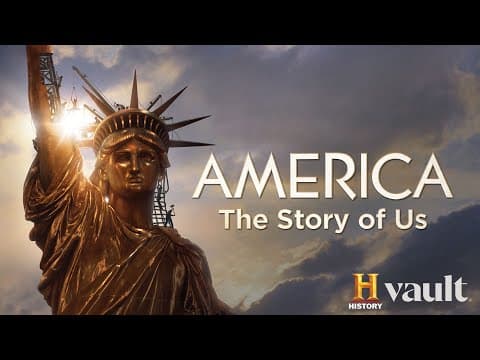
In 1885, New York City faced a significant challenge: the Statue of Liberty, a magnificent gift from France, arrived in 214 crates but required substantial funds for reassembly. Joseph Pitzer, a determined newspaper magnate, launched a massive fundraising campaign through his publication, the New York World. His efforts garnered over 121,000 donations from across the country, ensuring that the statue would remain in New York Harbor.
The construction of the statue involved a monumental effort. The pedestal, designed to be the largest concrete structure in the world, required over 200 workers braving harsh winter conditions. The statue's iron skeleton, designed by Gustav Eiffel, was wrapped in 60,000 pounds of hand-sculpted copper. After six months of hazardous work, the statue was completed, symbolizing not just the friendship between France and America but also becoming a beacon of hope for millions of immigrants arriving in the United States.
The Statue of Liberty welcomed over 12 million immigrants to Ellis Island, many of whom sought a better life in America. The journey was fraught with challenges, as newcomers left their homes in search of opportunity. A guidebook advised them to forget their customs and ideals, pursue their goals relentlessly, and adapt to their new environment.
By the early 20th century, American cities were bursting at the seams. The influx of immigrants led to the rapid expansion of urban areas, with populations in cities like Chicago doubling in just a decade. However, the demand for steel to construct skyscrapers posed a significant challenge.
Andrew Carnegie, a Scottish immigrant, revolutionized steel production in America. After witnessing a new method of producing steel in England, he returned to Pittsburgh to build the largest steel plant in the world. Despite facing a catastrophic stock market collapse, Carnegie's gamble paid off, and he became the first to mass-produce steel, drastically reducing prices and enabling the construction of skyscrapers across the nation.
As cities like New York transformed into playgrounds for the wealthy, the construction of skyscrapers became a symbol of progress. By 1902, 65 skyscrapers were under construction in Manhattan. Workers, often immigrants, faced dangerous conditions as they built these towering structures, earning a higher wage but risking their lives daily.
The introduction of the elevator allowed buildings to rise higher than ever before, fundamentally changing urban living. The Flatiron Building, with its unique triangular design, exemplified this new architectural style. However, the rapid urbanization also brought challenges, including crime and poverty.
As crime rates soared, figures like Detective Thomas Burns emerged, using innovative techniques such as mug shots to track criminals. Meanwhile, Jacob Riis, a Danish immigrant and photographer, exposed the harsh realities of slum life, prompting public awareness and reform.
Colonel George Waring, a sanitation engineer, led efforts to clean up New York City, implementing waste collection and improving public health. His initiatives laid the groundwork for modern sanitation practices across America.
Thomas Edison’s invention of the electric light bulb in 1879 transformed urban life, allowing cities to thrive at night. By 1902, millions of light bulbs illuminated American cities, further fueling urban growth and economic activity.
Tragedy struck on March 25, 1911, when a fire broke out at the Triangle Shirtwaist Factory, resulting in the deaths of 146 workers. This disaster highlighted the need for workplace safety reforms, leading to significant changes in labor laws and building codes.
The modern vertical city represents one of America's greatest inventions, born from innovation, struggle, and the relentless pursuit of progress. As cities continue to evolve, the lessons learned from this transformative period remain relevant, reminding us of the resilience and spirit that define the American experience.



















