
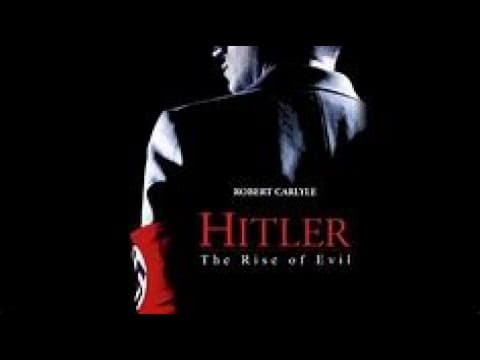
This blog post explores the early life of Adolf Hitler, his struggles as an artist, his experiences during World War I, and the political landscape of post-war Germany that facilitated his rise to power, ultimately leading to the establishment of the Nazi regime.
The story of Adolf Hitler is one of the most chilling narratives in modern history. His rise from a struggling artist to the dictator of Nazi Germany is marked by a series of pivotal moments that shaped his ideology and political ambitions. This blog post delves into the early life of Hitler, his experiences during World War I, and the socio-political environment of post-war Germany that allowed him to ascend to power.
Adolf Hitler was born into a family that had high expectations for him. His father, a civil servant, pushed him to excel in school, but young Hitler struggled academically. His artistic aspirations led him to Vienna, where he dreamed of studying at the Fine Arts Academy. However, his ambitions were thwarted when he was rejected twice, leading to a deep sense of failure and resentment.
Hitler's family life was complicated. His mother was supportive, but his father's strict demeanor created tension. After his mother's death from cancer, Hitler's emotional state deteriorated further, and he became increasingly isolated. This period of his life was marked by a growing sense of nationalism and anti-Semitism, which would later become central to his political ideology.
Hitler enlisted in the German Army during World War I, where he served as a corporal. The war was a formative experience for him, shaping his views on nationalism and militarism. He was wounded twice and awarded the Iron Cross for bravery, which bolstered his sense of identity and purpose.
The end of the war brought about a profound sense of betrayal among many Germans, including Hitler. The Treaty of Versailles, which imposed heavy reparations on Germany, fueled his belief that the country had been wronged. This sentiment resonated with many demobilized soldiers who felt abandoned by their leaders, setting the stage for Hitler's rise.
In the chaotic aftermath of World War I, Germany was rife with political factions, including communists, socialists, and nationalists. Hitler became involved with the German Workers' Party, which later transformed into the National Socialist German Workers' Party (NSDAP). His oratory skills and fervent nationalism quickly made him a prominent figure within the party.
In 1923, Hitler attempted to overthrow the Weimar government in what became known as the Beer Hall Putsch. Although the coup failed, it was a significant moment in his political career. Hitler was arrested and used his trial as a platform to promote his ideology, gaining national attention.
Hitler's speeches often centered around themes of national pride, anti-Semitism, and the need for a strong, unified Germany. He portrayed Jews as the scapegoats for Germany's problems, tapping into existing prejudices and fears. His ability to connect with the masses through propaganda was instrumental in his rise to power.
The Sturmabteilung (SA) and later the Schutzstaffel (SS) played crucial roles in Hitler's ascent. These paramilitary organizations intimidated opponents and helped consolidate power for the Nazi Party. Hitler's leadership style was authoritarian, and he demanded absolute loyalty from his followers.
Adolf Hitler's early life and political ascent were marked by personal failures, wartime experiences, and a volatile political landscape. His ability to manipulate public sentiment and his relentless pursuit of power ultimately led to the establishment of a regime that would bring about unimaginable suffering. Understanding this history is essential to prevent the repetition of such atrocities in the future.



















