The Middle East is witnessing a significant escalation in military tensions as the US deploys its largest force surge since 2025, including advanced jets and missile defenses, in response to Iran's aggressive posturing and live fire naval drills near critical waterways. Iran's strategy involves asymmetric warfare, drone swarms, and proxy attacks, raising the risk of a multi-front regional conflict with global economic implications. This article explores the military capabilities, propaganda, and
The Middle East is currently on edge due to a significant military build-up by the United States and aggressive maneuvers by Iran. This situation has global implications, with the potential to escalate into a multi-front regional conflict. This article delves into the details of the US military surge, Iran's strategic responses, and the possible scenarios that could unfold.
The United States has deployed its biggest military force to the Middle East since June 2025, just before the strikes on Iran's nuclear sites. This massive deployment, dubbed by former President Trump as the "massive Armada," includes tens of thousands of troops, aircraft carriers, fighter jets, and missile defense systems.
This build-up aims to deter Iranian aggression and protect vital shipping lanes and US interests in the region.
Iran has been actively pushing propaganda to project strength. A notable example is a video showing a B2 stealth bomber being shot down by a barrage of missiles launched from what appears to be a disguised commercial ship. This suggests Iran's strategy of hiding surface-to-air missile launchers on commercial vessels to surprise adversaries.
Iran's tactic involves disguising missile launchers on cargo ships, making it difficult for US pilots and naval forces to identify threats. This asymmetric warfare approach aims to exploit vulnerabilities in surveillance and defense systems.
Iran's Supreme Leader has acknowledged the deaths during recent protests but blamed external forces such as Israel and the US for instigating unrest. Iranian Foreign Minister Abbas Arachi has warned of a "ferocious" all-out confrontation if attacked, while simultaneously denying any ultimatum and expressing willingness for nuclear talks.
Iran's regional strategy involves leveraging its proxies, including:
In the event of conflict, coordinated missile and drone strikes from these groups could target US bases like Al-Udeid in Qatar, disrupt Red Sea shipping lanes, and launch rocket attacks on Israel.
Recently, Iran has conducted live fire naval drills in the Gulf of Oman and near the Strait of Hormuz, close to where US warships operate. These exercises involve missile boats, frigates, and fast attack craft firing rockets, torpedoes, and anti-ship missiles at mock targets.
The proximity of these drills to US forces increases the risk of miscalculation. An accidental missile launch or perceived hostile action could trigger a defensive response, potentially escalating into open conflict.
Iran's military tactics focus on asymmetric warfare, including:
These tactics aim to overwhelm conventional defenses and exploit vulnerabilities.
The US has deployed advanced aircraft and systems to counter Iranian threats:
If conflict erupts, Iran's proxies could launch coordinated attacks:
Such a scenario could spike oil prices to $150 per barrel, trigger global economic chaos, and potentially draw in Russia or China for support. Refugee flows and ethnic conflicts could worsen in Syria and Lebanon.
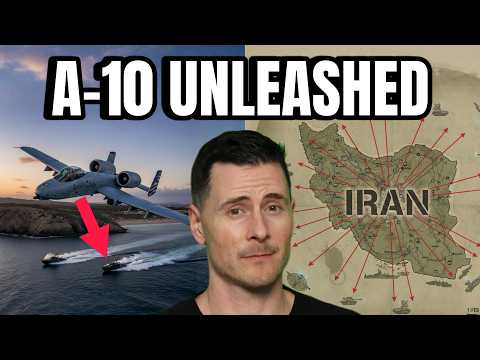
The US would respond with air strikes from carrier air wings, including F-35s, F-18s, F-15s, and A-10s, aiming to dismantle drone swarms and neutralize fast attack boats to reopen critical waterways.
The current military build-up and naval drills in the Middle East represent a high-stakes game of deterrence and brinkmanship. Both the US and Iran are demonstrating their capabilities and resolve, with the risk of miscalculation ever-present. Understanding the complex interplay of military assets, proxy forces, and geopolitical interests is crucial to anticipating how this volatile situation might evolve.
As tensions rise, the world watches closely, hoping for diplomacy to prevail over conflict in this critical region.