
The Roaring 20s was a transformative decade in American history marked by post-World War I exuberance, the Harlem Renaissance, women's liberation, Prohibition, and the rise of organized crime, ultimately contributing to the Great Depression.
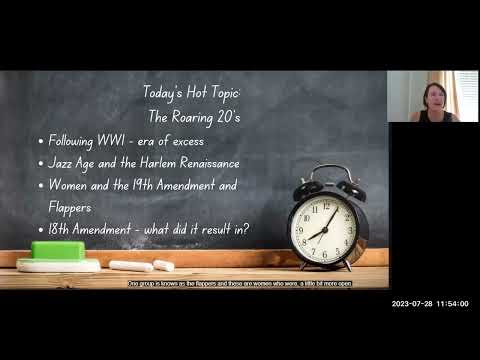
The Roaring 20s, a vibrant decade in U.S. history, followed the end of World War I and was characterized by a profound cultural shift. This period reflected a collective desire among Americans to escape the harsh realities of war and embrace a lifestyle filled with excitement and excess.
After the horrors of World War I, many Americans returned home seeking to live life to the fullest. The trauma of the war led to a cultural movement that emphasized enjoyment and indulgence, marking the 1920s as an era of excess. This desire for liberation was not only a personal journey but also a societal transformation that would shape the future of the nation.
One of the most significant developments during the Roaring 20s was the Great Migration, where a large number of African Americans moved from the rural South to urban centers in search of better opportunities. Harlem, New York, became a cultural epicenter for this community, leading to the flourishing of art, music, and literature known as the Harlem Renaissance.
The Jazz Age emerged as a celebration of African American culture, with jazz music at its forefront. This genre not only provided entertainment but also served as a powerful expression of the African American experience, influencing the broader cultural landscape of the United States.
The 1920s also marked a significant turning point for women in America. During the war, women took on roles traditionally held by men, gaining a sense of independence. The passage of the 19th Amendment in 1920 granted women the right to vote, further empowering them to express their identities and desires.
The flapper movement epitomized this newfound freedom. Flappers were young women who defied conventional norms by wearing shorter skirts, cutting their hair, smoking, drinking, and dancing in public. This bold behavior challenged societal expectations and represented a shift towards greater gender equality.
Another critical aspect of the Roaring 20s was the implementation of the 18th Amendment, which banned the production and sale of alcohol, leading to Prohibition. While the temperance movement aimed to curb alcohol consumption, it inadvertently gave rise to organized crime.
Illegal activities such as bootlegging and the operation of speakeasies became rampant as people sought ways to obtain alcohol. This underground economy was often glamorized in films and literature, portraying the era's gangsters and their influence on society.
The Roaring 20s, while a time of prosperity and cultural growth, also sowed the seeds for future economic turmoil. The era's emphasis on excess and carefree spending contributed to a lack of financial prudence among many Americans. This reckless behavior ultimately played a role in the stock market crash of 1929 and the onset of the Great Depression.
The Roaring 20s was a decade of significant change in American society, marked by cultural flourishing, the fight for women's rights, and the complexities of Prohibition. While it was a time of celebration and liberation, the consequences of excess living would soon lead to economic challenges. Understanding this era provides valuable insights into the dynamics of American history and the ongoing struggle for equality and social justice.



















