
This article explores the use of psychostimulants in the Red Army during combat, detailing their historical context, effects on soldiers, and the evolution of military pharmacology from World War I through the Cold War.
The effectiveness of military operations is influenced not only by strategy, tactics, and equipment but also by the personal qualities of soldiers. Combat situations impose extreme physical, emotional, and informational stress on military personnel. Historical data from World War I revealed that during their first battle, 25% of soldiers experienced severe fear, leading to nausea and attempts to desert. Only 2% managed to maintain adequate responses under fire. This highlights the need for soldiers to remain functional despite extreme conditions, often requiring them to stay awake for days.
Throughout history, military leaders have sought ways to enhance the capabilities of their soldiers, aiming to create a so-called "universal soldier." Various methods have been employed, including the use of psychoactive substances. Ancient Greek warriors consumed wormwood and fennel, while Chinese soldiers used ginseng, and Scandinavian warriors utilized hallucinogenic mushrooms.
The systematic use of pharmacology to enhance soldier readiness began in the 19th century during the American Civil War (1861-1865), where both Confederate and Union forces used morphine to alleviate pain and fear. This trend continued into World War I, where morphine usage surged by 26 times.
The Second World War marked a significant leap in military pharmacology, particularly with Nazi Germany's introduction of the psychostimulant Pervitin, which reduced fatigue and heightened mental clarity. Pervitin became a staple in the medical kits of German soldiers, enabling them to undertake long marches without fatigue.
In contrast, American and British forces utilized Benzedrine, initially marketed as a safe decongestant. By 1937, its stimulating effects were recognized, leading to its use as a combat psychostimulant. Japan also developed its own variants of stimulants during this period.
In the Soviet Union, research into pharmacological agents aimed at maintaining soldier performance was actively pursued. The need for such substances became apparent during prolonged operations requiring mental and physical endurance. Studies indicated that stimulants could alleviate fatigue, allowing soldiers to operate without the need for sleep.
One notable substance was Pantocrin, derived from deer antlers, which underwent trials in the Red Army starting in 1929. Results showed improved performance in physical tasks, although it did not gain widespread use due to its delayed effects.
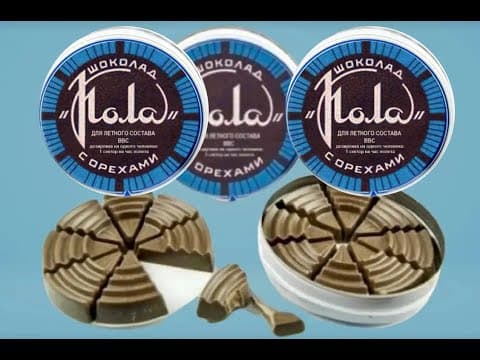
Other substances, such as sugar, caffeine, and sodium chloride, were also studied. The combination of sugar with caffeine and sodium chloride proved effective in reducing fatigue during marches. The kola nut extract was particularly noted for its effectiveness in maintaining mental and physical performance during strenuous activities.
Research into the kola nut's effects on soldiers began in the 1930s, demonstrating its ability to combat fatigue during long marches. The Soviet Air Force notably studied its effects on pilots during high-altitude flights. Kola was first used in combat during the Winter War against Finland (1939-1940).
By the late 1930s, Soviet scientists synthesized Phenamine, a powerful stimulant. Despite its potential, the widespread use of amphetamines in the Red Army during World War II was limited compared to Allied forces. This was not due to concerns over side effects but rather the lack of mass production capabilities before the war.
In 1943, a monograph by Professor Mark Yakovlevich Sereyskiy discussed Phenamine's use in maintaining soldier performance during extended operations. The drug was noted for its ability to stimulate the central nervous system, enhancing alertness and physical capabilities. However, it was recommended for use under medical supervision due to potential side effects.
Reports from the front indicated that Phenamine effectively sustained soldier performance for up to 24 hours. However, concerns about its side effects, including sudden cessation of effects and the need for recovery time, led to cautious use.
The use of psychostimulants in the Red Army during World War II reflects a complex interplay between military necessity and the physiological limits of soldiers. While substances like Kola and Phenamine provided temporary relief from fatigue and enhanced performance, their long-term effects and potential for abuse raised significant concerns. The legacy of these substances continues to influence military pharmacology today, as the balance between enhancing soldier performance and ensuring their health remains a critical consideration.
The historical exploration of these stimulants reveals not only the desperation of wartime conditions but also the ongoing quest to push the boundaries of human endurance in combat situations.



















