
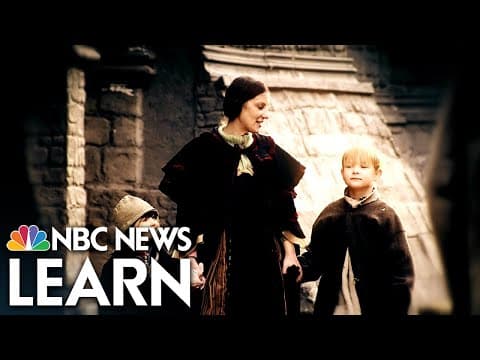
Women in medieval times faced significant hardships and societal restrictions, with their roles largely defined by their relationships to men. While noblewomen had some privileges, peasant women endured a life of labor and limited rights. Despite these challenges, some women found ways to assert their independence and contribute to society, paving the way for future generations.
When envisioning the Middle Ages, many picture knights defending castles and the romanticized notion of damsels in distress. However, for the majority of women during this period, life was marked by distress, hardship, and suffering. This blog post explores the complex realities faced by women in medieval times, highlighting their roles, challenges, and the gradual changes that began to emerge towards the end of the era.
In medieval society, women were universally considered inferior to men, a belief reinforced by laws set by lords, kings, and the male-dominated Roman Catholic Church. From a young age, girls were taught to obey their fathers and, after marriage, their husbands. The primary expectation for women was to bear and raise children, with many girls married by the age of 14 and having their first child by 15.
Medical knowledge during the Middle Ages was rudimentary at best, leading to high maternal mortality rates. Dying in childbirth was tragically common, reflecting the perilous nature of women's lives during this time.
The life of a peasant woman was particularly grueling. A famous medieval poem, Piers Plowman, illustrates the daily tasks of a peasant woman, which included caring for children, carding, combing, and washing wool. Spinning wool into thread was so integral to women's work that the tools used, such as the spindle and distaff, became symbols of the peasant woman’s labor.
Women living in medieval towns had slightly better opportunities compared to their rural counterparts. They could learn trades by assisting in family businesses, although they were generally barred from joining professional guilds or charging the same rates as men. Despite these restrictions, women could be found working as merchants, druggists, barbers, and brewers.
One notable literary figure from this period is the Wife of Bath, a character in Geoffrey Chaucer's The Canterbury Tales. She was depicted as an expert cloth maker who inherited wealth and property after her husband's death, showcasing that some women could attain a degree of independence and success.
Property laws were particularly harsh for women, as they could only own property if it was inherited from their fathers or deceased husbands. Upon marriage, they would lose control of their property. However, noblewomen had more opportunities than their peasant counterparts. When their husbands were away, these women often managed the family estates, overseeing crops, livestock, and the serfs who worked the land.
Noblewomen also had better access to education and resources, allowing them to become artists, musicians, and writers. One of the most prominent figures of this time was Christine de Pizan, a 14th-century poet and author. Her writings advocated for the virtue and value of women, earning her both wealth and respect, yet she lamented her fate, expressing feelings of misfortune for being born female in a restrictive society.
For upper-class women who sought alternatives to marriage and motherhood, the Roman Catholic Church offered a path. Women who became nuns could lead lives dedicated to work, prayer, and education. Some rose to significant positions, overseeing abbeys and monasteries, and even male priests, thus gaining a measure of authority and respect.
As the Middle Ages progressed, particularly in more developed city-states like Florence, opportunities for women began to expand. Women were allowed to attend universities, marking the beginning of a slow but significant shift in societal norms. However, it would take centuries before women in Europe would achieve the rights and freedoms that many enjoy today.
The lives of women in medieval times were characterized by struggle and resilience. Despite the overwhelming societal constraints, many women found ways to assert their independence and contribute to their communities. Their stories, though often overshadowed by the tales of knights and chivalry, are crucial to understanding the evolution of women's roles in society and the gradual progress towards equality that would follow in the centuries to come.



















