
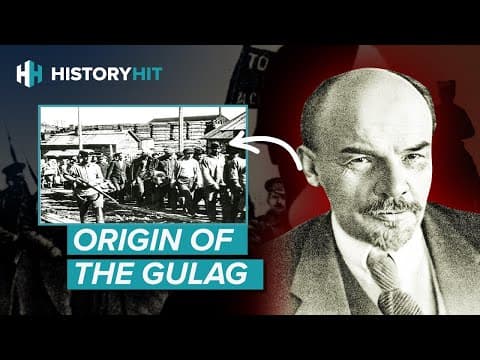
The Russian Civil War, fought between the Bolsheviks (Reds) and various anti-Bolshevik factions (Whites), led to the establishment of the Red Terror and the infamous Gulag system. This post explores the complexities of the conflict, the key players involved, and the lasting impacts of this tumultuous period on modern Russia.
The Russian Civil War, which erupted after the Russian Revolution, was a complex and brutal conflict that shaped the future of Russia. This post delves into the factions involved, the strategies employed, and the horrific consequences that followed, including the establishment of the Red Terror and the Gulag system.
The Russian Revolution marked the end of Tsarist rule, but it also set the stage for a violent struggle between the Bolsheviks, known as the Reds, and their opponents, collectively referred to as the Whites. The Whites were not a unified group but rather consisted of various factions, including:
The Whites faced significant challenges during the Civil War. They were geographically divided, with major forces in the South, Siberia, and the Baltic states, which hampered their ability to coordinate effectively. In contrast, the Red Army, under the leadership of Leon Trotsky, benefited from interior lines of communication, allowing for quicker reinforcements and strategic flexibility.
Trotsky's leadership was crucial in transforming the Red Army from a disorganized group into a formidable fighting force. However, he made critical mistakes, such as provoking the Czech Legion, which led to a significant expansion of the White forces in Siberia.
The Russian Civil War was not merely a domestic conflict; it attracted international attention and intervention. Various nations, including Britain, France, the United States, and Japan, sent troops to support the Whites, each with their own motives. The Japanese, for instance, aimed to expand their influence in the Far East, while the Americans were primarily concerned with monitoring Japanese actions.
Despite this international involvement, the Allies were often unenthusiastic and faced mutinies among their ranks. The local population, initially supportive of the Allies, quickly turned against them due to the chaos and violence that ensued.
The Red Terror, a campaign of political repression, began in earnest after an assassination attempt on Lenin in 1918. However, its roots can be traced back to the establishment of the Cheka, the Bolshevik secret police, in December 1917. The Cheka was tasked with identifying and eliminating perceived enemies of the revolution, often employing brutal methods.
The Red Terror targeted anyone deemed a class enemy, including the bourgeoisie and kulaks (wealthy peasants). Many were executed, imprisoned, or sent to the Gulags, a system of forced labor camps that became synonymous with Soviet repression. Lenin's policies exacerbated food shortages, leading to widespread discontent among the peasantry, who increasingly viewed the Bolsheviks as oppressors.
By 1919, the tide of the Civil War began to turn in favor of the Reds. They offered amnesty to deserters, swelling their ranks significantly. The Whites, on the other hand, suffered from internal divisions and a lack of coherent strategy. As the Reds pushed back against the White forces, the latter retreated to the Crimea, where they ultimately faced defeat.
The Civil War concluded with the Bolsheviks solidifying their power, leading to the establishment of the Soviet state. The brutal tactics employed during the conflict, including the Red Terror and the Gulag system, left a lasting legacy on Russian society.
The brutality of the Russian Civil War has had enduring effects on Russian military and political culture. The use of violence as a means to achieve political ends became ingrained in the Russian psyche, influencing subsequent conflicts, including World War II and modern military actions.
The legacy of the Civil War is evident in contemporary Russia, where the treatment of both enemies and civilians reflects a historical pattern of cruelty and repression. The lessons learned from this tumultuous period continue to resonate today, as the world watches the ongoing conflict in Ukraine and the actions of the Russian military.
The Russian Civil War was a pivotal moment in history that not only determined the fate of Russia but also set the stage for the Soviet Union's rise. The conflict's legacy of violence and repression continues to shape Russian society and its interactions with the world. Understanding this history is crucial for comprehending the complexities of modern Russia and its ongoing challenges.



















