
In the summer of 1940, as Germany sought to solidify its dominance in Europe, the Battle of Britain marked a pivotal moment where British resilience thwarted Nazi ambitions. Despite initial successes, German air raids failed to break British morale, leading to a shift in tactics and alliances, including Japan's entry into the Axis powers. This blog post explores the key events and strategies during this critical phase of World War II.
Berlin, the summer of 1940, was a city seemingly untouched by the ravages of war. Just a year after Adolf Hitler initiated conflict across Europe, German soldiers occupied Poland, Scandinavia, Belgium, the Netherlands, and France. The short duration of these campaigns resulted in minimal casualties, allowing the German populace to carry on with their daily lives, largely oblivious to the war's impact.
In July 1940, Hitler made a peace offer to Great Britain, which was met with silence. The German Luftwaffe, under Hermann Göring, prepared for an invasion of Britain, dubbed Operation Sea Lion. The plan involved gaining air superiority through extensive bombing campaigns targeting British airfields and infrastructure.
The Battle of Britain commenced on August 13, 1940, with the Luftwaffe launching attacks on British industrial centers. Initially, these raids were successful, but the British were determined to defend their homeland. Winston Churchill, the British Prime Minister, rejected any notion of negotiating peace with the Nazis, famously declaring that Britain would fight on against tyranny.
Despite the German bombing campaigns, British morale remained high. On August 25, British bombers retaliated with their first air raid on Berlin, marking a significant shift in the war. The German populace began to realize their vulnerability as air raids struck the heart of the Third Reich.
On September 7, 1940, in retaliation for British attacks, the Luftwaffe targeted London, resulting in significant civilian casualties. However, the British Royal Air Force (RAF) proved resilient, with pilots quickly returning to the skies after emergency landings. By mid-September, Hitler postponed the invasion of Britain, marking the first major setback for Nazi Germany.
As the Luftwaffe shifted its focus to bombing civilian targets in London, the British public endured relentless air raids, known as the Blitz. Despite the destruction and loss of life, the British people remained steadfast. Churchill's speeches galvanized the nation, reinforcing their resolve to resist.
The bombing of Coventry on November 14, 1940, exemplified the devastation wrought by German air raids. However, the British armaments industry continued to operate at full capacity, demonstrating the resilience of the British war effort.
During this period, Germany sought to solidify its alliances. In October 1940, Hitler met with Spanish dictator Francisco Franco, hoping to secure Spain's support against Britain. However, Franco was reluctant to enter the war, having just stabilized a war-torn Spain.
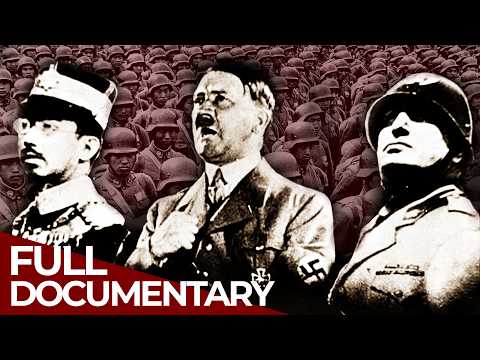
Meanwhile, Japan, under the leadership of Tojo Hideki, signed the Tripartite Pact with Germany and Italy, formalizing their alliance. This pact aimed to deter the United States from entering the war, as Japan sought to expand its influence in East Asia.
As the war progressed, Italy's military failures in North Africa prompted Hitler to intervene. The German Afrika Korps, led by General Erwin Rommel, was dispatched to support Italian forces. Despite initial successes, logistical challenges and the British defense at Tobruk hindered German advances.
The summer of 1940 marked a turning point in World War II, as the Battle of Britain showcased the resilience of the British people against Nazi aggression. The failure of the Luftwaffe to achieve air superiority and the subsequent shift in tactics underscored the complexities of warfare. As alliances shifted and new strategies emerged, the stage was set for a prolonged conflict that would engulf the world.



















