A nine-year-old girl faces serious consequences after prank calling emergency services about a fake kidnapping. The incident highlights the dangers and legal ramifications of misusing emergency numbers, emphasizing the importance of responsible behavior.
In a recent incident that has sparked discussions about the misuse of emergency services, a nine-year-old girl found herself in serious trouble after prank calling the police to report a fake kidnapping. This blog post delves into the details of the incident, the implications of such actions, and the lessons that can be learned from this unfortunate event.
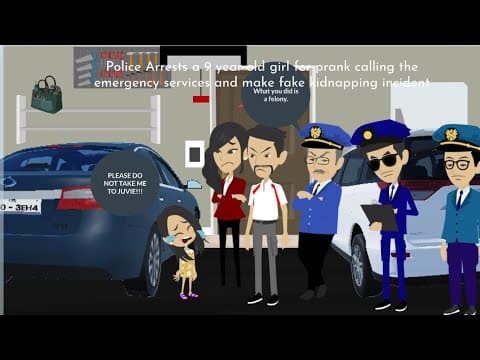
The girl, identified as Kimuni, was questioned by law enforcement after making a prank call to the emergency number 112. During the interrogation, it became clear that she had been influenced by a challenge suggested by her younger sister, Hannah. Kimuni admitted to calling the police as part of a prank she had seen online, where individuals were encouraged to report fake emergencies for entertainment.
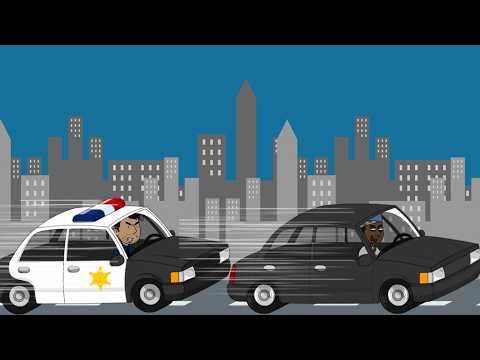
During the questioning, the police officer emphasized the seriousness of the crime. He explained that prank calling emergency services is not just a harmless joke; it can lead to severe consequences, including the potential for real emergencies to be overlooked. The officer pointed out that the resources used to respond to such calls, including police cars and helicopters, could result in dangerous situations, including accidents that could harm officers and civilians alike.
The officer made it clear that what Kimuni did was a felony. He explained that the misuse of emergency numbers can lead to serious legal consequences, especially when it involves false reports of crimes like kidnapping. The girl was informed that she could face arrest and possible detention at a juvenile facility, highlighting the gravity of her actions.
Kimuni revealed that her decision to prank call the police was inspired by a video she had watched on YouTube. The video depicted a scenario where someone was kidnapped, and the police were called for help. This raises important questions about the influence of social media and online content on young minds. It is crucial for parents and guardians to monitor the media consumption of children and discuss the implications of such content.
The officer stressed that while Kimuni may have thought the prank was funny, the reality is that such actions can have dire consequences. He urged her to consider the potential outcomes of her actions, including the risk of causing harm to others and the legal repercussions she could face. The conversation served as a critical lesson about responsibility and the importance of thinking before acting.
By the end of the interrogation, Kimuni expressed remorse for her actions, stating that she did not intend to cause any harm. However, the officer reminded her that saying sorry is not enough to absolve her of the consequences. The incident serves as a reminder that actions have consequences, and it is essential to take responsibility for one's behavior.
The case of the nine-year-old girl who prank called the police highlights the serious implications of misusing emergency services. It serves as a cautionary tale for children and parents alike about the importance of responsible behavior and the potential dangers of social media influence. As society continues to navigate the complexities of technology and communication, it is vital to instill a sense of accountability in young individuals to prevent similar incidents in the future.