Millennial writing is characterized by seven key flaws: excessive irony and meta-awareness, characters sounding identical, overuse of modern language and social issues, lazy identity-based characterization, moral ambiguity, audience disdain, and subversion without reconstruction. These traits lead to uninspired stories lacking emotional depth and audience engagement, threatening the future of storytelling.
Millennial writing, a term used to describe a particular style and set of tendencies in contemporary storytelling, especially in film, television, and literature, has become a subject of critique for its distinct characteristics. These traits often blend into one another, creating a spectrum of issues that can diminish the quality and emotional impact of narratives. This article explores the seven key facets of millennial writing, illustrating how they manifest and why they pose challenges to effective storytelling.
One of the most prominent hallmarks of millennial writing is starting from a place of irony and meta-awareness as the default tone. This approach often results in a pervasive lack of sincerity, where serious moments are quickly undercut by humor or quips, preventing the audience from fully engaging emotionally. For example, the Marvel Cinematic Universe (MCU) frequently employs humor to diffuse tension, which can make dramatic scenes feel less impactful.
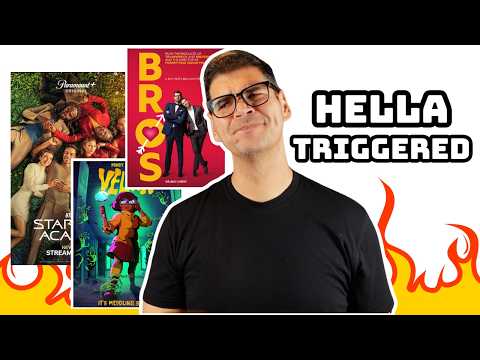
Shows like "Velma" have taken this to extremes, using ironic and meta jokes in nearly every scene, such as a character blatantly acknowledging teen drama tropes. This constant irony can exhaust viewers and erode the emotional resonance that stories traditionally rely on.
Another issue is the homogenization of character voices. Regardless of age, gender, or background, characters often share the same cadence, vocabulary, and inflection, typically reflecting a late 1990s grunge or ironic millennial style. This lack of distinctiveness makes characters feel like interchangeable vessels rather than fully realized individuals.
This problem extends beyond screenwriting into popular novels, where characters spanning centuries or fantastical species all speak identically, often with a focus on contemporary hookup culture. The root cause is writers focusing on plot over character development, resulting in dialogue that reflects the writer's voice rather than the character's unique perspective.
Millennial writing frequently incorporates present-day slang, social issues, and cultural references into settings where they feel out of place, such as futuristic or medieval worlds. For instance, a fantasy novel set in a medieval-like environment might include phrases like "for the win," which breaks immersion.
Similarly, shows like "Star Trek Starfleet Academy" misuse contemporary profanity and attitudes, clashing with the optimistic and diplomatic tone of the original Star Trek series. This reliance on modernisms not only disrupts the story's authenticity but also signals laziness in world-building.
There is a tendency to reduce characters to their identities or social struggles without fully developing them as complex individuals. For example, a black character might be defined solely by experiences of racial trauma, or a gay character's entire arc might revolve around their sexuality. This approach often replaces nuanced storytelling with tokenism or social messaging.
Such characterization can insult the audience by ignoring established traits and potential growth, as seen with characters like Sam Wilson in the MCU, whose rich narrative possibilities were overshadowed by simplified identity-driven plots.
Millennial writing often embraces moral grayness, avoiding clear distinctions between heroes and villains. This results in stories where everyone is "kind of bad in their own way," leading to boring narratives with low stakes.
Writers use therapy language and relatability as markers of morality, where the "good guys" are those with the most trauma or underrepresentation, and the "bad guys" are framed as oppressors. This shift can make stories less engaging because it removes the emotional investment that comes from rooting for clear protagonists against antagonists.
Many millennial productions exhibit a sneering attitude toward their audience, often condescendingly dismissing viewers' expectations for entertainment. Films like "Don't Look Up" openly scold audiences for their perceived inaction on social issues, creating a hostile viewing experience.
This disdain can also manifest as overly niche or specific stories that alienate broader audiences, such as the romcom "Bros," which focused narrowly on the gay dating scene in New York and blamed lack of success on straight audiences. Such attitudes undermine the fundamental purpose of storytelling: to connect with and engage viewers.
Finally, millennial writing often employs subversion and deconstruction as ends in themselves, tearing down established tropes, institutions, and beloved properties without offering meaningful alternatives or reconstruction.
For example, shows like "The Acolyte" portray traditional heroes like the Jedi as intolerant villains, flipping narratives without providing new hopeful visions. This approach can leave audiences with a sense of nihilism and loss, as the familiar structures that give stories coherence and meaning are dismantled without replacement.
These seven facets combine to create a storytelling landscape that can feel cynical, repetitive, and emotionally hollow. The overuse of irony and moral ambiguity, coupled with lazy characterization and audience hostility, risks alienating viewers and diminishing the cultural value of narratives.
Moreover, the trend toward plot-driven, "and then" stories lacking emotional depth contributes to audience apathy, which is more damaging to the entertainment industry than outright anger or criticism.
While millennial writing currently dominates much of popular culture, there are signs that newer generations are seeking sincerity and classic storytelling structures. Younger audiences are rediscovering older music and media, suggesting a desire for more authentic and emotionally resonant content.
However, challenges remain. The rise of algorithm-driven content consumption may encourage storytelling that prioritizes retention over narrative quality, resulting in stories that are mere collections of vibes or random events.
Additionally, a backlash against hyper-realistic or socially conscious storytelling could lead to extremes in either direction, potentially sidelining nuanced narratives.
Millennial writing is defined by a complex interplay of irony, homogenized characters, misplaced modernisms, lazy identity politics, moral ambiguity, audience disdain, and destructive subversion. While not every work exhibiting these traits is inherently bad, their prevalence signals a need for a return to sincerity, well-developed characters, clear moral frameworks, and respectful engagement with audiences.
As the entertainment landscape evolves, creators and consumers alike must consider how to balance contemporary sensibilities with timeless storytelling principles to ensure narratives remain meaningful and impactful.
What do you think will define the next generation of writing? Are there other signs of millennial writing you would add to this list? Share your thoughts and join the conversation on the future of storytelling.
This article reflects on the current state of millennial writing and its implications for modern storytelling, drawing on examples from television, film, and literature.