
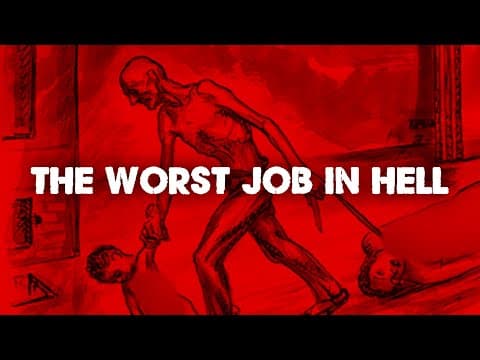
The Sonderkommando at Auschwitz faced unimaginable horrors as they were forced to assist in the extermination of fellow prisoners. This blog post explores their grim reality, the moral dilemmas they faced, and the tragic fate that awaited most of them during the Holocaust.
Human history is marked by dark and disturbing events, particularly in the 20th century, which witnessed two world wars, a major influenza pandemic, and numerous genocides. Among the most horrific atrocities was the Holocaust, where millions, predominantly Jewish people, were confined in Nazi concentration camps, with Auschwitz-Birkenau being one of the most notorious.
Within Auschwitz, the living conditions varied significantly among prisoners. Some experienced slightly better conditions, but these often came at a horrific price. When new transports of prisoners arrived, SS officers conducted a selection process, dividing them into two groups: the majority, including women, children, the elderly, and the sick, were sent to the gas chambers, while men who appeared strong and healthy were chosen to become part of the Sonderkommando.
The Sonderkommando were a special force tasked with operating the machinery of death. One survivor described how these men were ripped from their everyday lives and thrust into the depths of hell. Their primary job was to empty the gas chambers after executions, search the bodies for valuables, and incinerate the remains.
The work of the Sonderkommando was profoundly disturbing. They had two choices: perform their gruesome tasks or face immediate execution. Divided into five groups of about 200 men, each group was assigned to one of the five crematoriums. Their tasks included:
Loading Ramps: This group was responsible for managing the arrival of new transports, deceiving newcomers by telling them they were going for showers and disinfection. They offered tips to maintain calm, such as tying shoes together after undressing.
Body Removal: After the gas chambers were ventilated, the Sonderkommando would face rows of dead bodies, often packed tightly together. Initially, they approached this task with respect, but repeated exposure dulled their sensitivities.
Hair and Valuables Collection: Another group cut the hair from the bodies and searched for jewelry and gold. They knew where to look for valuables, as there were limited hiding places on a naked body.
Dental Examination: Equipped with dental pliers, this group extracted gold teeth from the corpses, which were later smelted into bars for the SS.
Cremation: The final group operated the ovens, stacking bodies and incinerating them. After cremation, the ashes were dumped into a nearby river.
The trauma experienced by the Sonderkommando was overwhelming. Many inmates recognized their family members among the corpses, leading to unbearable psychological distress. They were isolated from other prisoners, living in slightly better conditions to maintain their strength for the gruesome tasks. However, this marginally better treatment was an illusion, as the horrors they witnessed shattered their spirits.
To prevent them from revealing the atrocities, the SS executed the Sonderkommando every few months, replacing them with new recruits. Tragically, one of the first tasks for new members was to burn the bodies of their predecessors.
As the war progressed and the number of victims dwindled, the Sonderkommando realized their own fate was imminent. In October 1944, they planned a revolt, creating makeshift weapons and attacking their captors. Although some prisoners managed to escape, the uprising was quickly quelled, and the SS executed many of the Sonderkommando and their collaborators.
By January 1945, as the Soviet Army advanced, the Nazis attempted to destroy evidence of their crimes by blowing up the crematoriums. A final selection took place, separating the healthy inmates from the sick and weak, who were left to face their deaths.
Out of the thousands who served in the Sonderkommando, only a handful survived the war. Many were initially viewed as collaborators, but as more testimonies emerged, the understanding of their predicament grew. Notes found in the ruins of the crematoriums provided chilling evidence of their experiences.
Morris Venezia, one of the few survivors, recounted the horrors of the transports from Hungary, where the ovens could not accommodate the sheer number of bodies. The Sonderkommando were forced to dig pits to burn excess corpses, and instances of miraculous survival were tragically short-lived.
The story of the Sonderkommando at Auschwitz is a haunting reminder of the depths of human despair and the moral dilemmas faced in the face of unimaginable horror. Their experiences serve as a crucial part of Holocaust history, shedding light on the complexities of survival and the impact of trauma during one of humanity's darkest chapters.



















