
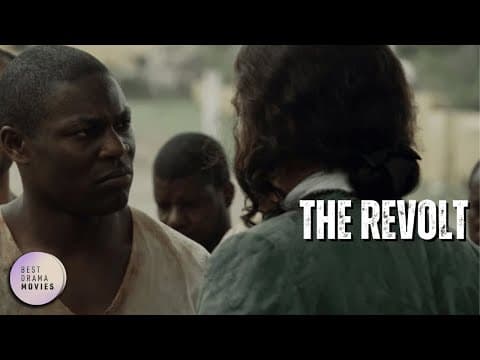
This article recounts the dramatic story of Tula, a slave who led a revolt against colonial masters in pursuit of freedom and equality. It explores the harsh realities of slavery, the impact of the French abolition of slavery in neighboring Haiti, the uprising led by Tula, the brutal response by colonial authorities, and the enduring legacy of courage and resistance.
The story of Tula is a powerful and dramatic account of a slave who rose against his colonial masters in a quest for freedom, equality, and brotherhood. Set against the backdrop of colonial oppression and the harsh realities of slavery, this narrative captures the courage, struggles, and sacrifices of those who dared to challenge the status quo.
The story opens with a grim depiction of the brutal punishments meted out to slaves who dared to defy their masters. Pedro Wakao, Louie Mercier, and Tula himself face horrific executions for their alleged crimes against colonial citizens. These punishments include being dragged by horses, having limbs chopped off, bones broken, faces burned, and heads placed on stakes as warnings to others.
Slaves are forced to work relentlessly, even on Sundays, violating the so-called Negro Code, which was supposed to protect them. The masters dismiss these laws, emphasizing that a good slave is a working slave, regardless of the day.
News arrives that the French, having defeated the Dutch in war, have abolished slavery in Haiti. This revelation ignites hope among the slaves, including Tula and his companions, who realize that freedom is not just a dream but a legal right under the new French rule.
This news fuels the desire for liberation and sets the stage for the revolt. The slaves begin to question their bondage and the legitimacy of their masters' authority.
Tula emerges as a leader who seeks to negotiate with the colonial governor for the slaves' freedom. Despite skepticism and hostility from some, he insists on a peaceful approach first, hoping to avoid unnecessary bloodshed.
However, tensions escalate as the slaves refuse to work, demanding their freedom. The colonial authorities respond with threats and military force, dispatching soldiers to suppress the uprising.
The slaves, under Tula's leadership, organize themselves and prepare to confront the colonial forces. They gather supporters from neighboring plantations and fortify their positions in the mountains, using the terrain to their advantage.
Despite being outnumbered and outgunned, the rebels fight fiercely, motivated by the hope of freedom and equality. The narrative highlights moments of camaraderie, strategic planning, and the emotional toll of the conflict.
Throughout the revolt, various characters play significant roles. Father Shank, a priest, attempts to mediate and advocate for peace but ultimately acknowledges the complexity of the situation.
Some slaves, like Louie Mercier and Pedro Coro, have conflicting loyalties and motivations, leading to internal conflicts within the rebel group.
Colonial officials and military leaders are depicted as determined to maintain control, using brutal tactics to quell the rebellion.
The revolt culminates in a fierce battle with significant casualties on both sides. Despite the rebels' bravery, the colonial forces eventually regain control.
Tula and other leaders face brutal executions intended to serve as deterrents to future uprisings. Yet, the spirit of resistance lives on, inspiring future generations.
The story closes with reflections on the cost of freedom and the enduring human desire for dignity and equality.
The tale of Tula is a testament to the resilience and courage of those who fought against the inhumanity of slavery. It sheds light on a pivotal moment in history when enslaved people dared to claim their rights and challenge oppressive systems.
Their struggle reminds us of the importance of justice, freedom, and the ongoing fight against inequality in all its forms.
This narrative, rich with emotion and historical significance, continues to resonate as a powerful example of the human spirit's capacity to resist oppression and strive for a better future.



















