
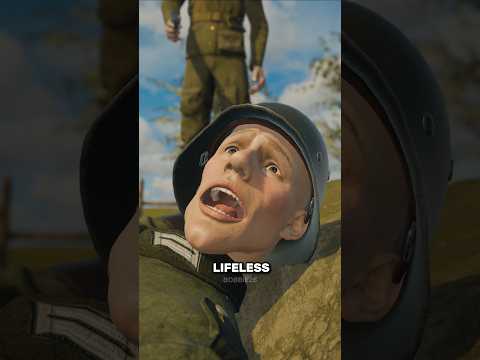
During World War II, some German soldiers adopted the tactic of playing dead to survive in dire situations. This blog explores the psychological and strategic reasons behind this behavior, highlighting the extreme measures taken in the chaos of war.
World War II was a time of unprecedented chaos and brutality, where survival often depended on quick thinking and instinctive reactions. One of the more intriguing survival tactics employed by soldiers during this tumultuous period was the act of playing dead. This blog delves into the reasons behind this behavior, particularly among German soldiers, and the psychological and strategic implications of such a desperate measure.
In the heat of battle, soldiers faced life-threatening situations where the odds were stacked against them. As the war progressed, many German troops found themselves in dire circumstances, often surrounded and outnumbered. The instinct to survive kicked in, leading some to adopt unconventional tactics to evade death.
When faced with overwhelming enemy fire, some German soldiers would position themselves among the fallen, pretending to be dead. This tactic was not merely a desperate act but a calculated decision aimed at increasing their chances of survival. By blending in with the corpses, they hoped to avoid detection and escape the immediate threat of gunfire.
The decision to play dead was rooted in a complex psychological landscape. Soldiers were often trained to fight bravely, but the reality of war can shatter such ideals. The fear of death, coupled with the instinct for self-preservation, led to a breakdown of traditional combat behavior. Playing dead became a psychological shield, allowing soldiers to cope with the horrors surrounding them.
While this tactic could potentially save a soldier's life, it was fraught with risks. Enemy forces, aware of the possibility of deception, would sometimes fire upon what they believed to be lifeless bodies to ensure that no one was left alive. This brutal reality meant that the act of playing dead was a gamble, one that could lead to immediate death if the enemy suspected foul play.
There are numerous accounts from World War II that illustrate this tactic. Soldiers would often recount stories of lying among the dead for hours, holding their breath and remaining motionless, hoping that the enemy would move on. These stories highlight the extreme measures taken by individuals in the face of overwhelming odds.
The act of playing dead during World War II serves as a stark reminder of the lengths to which individuals will go to survive in the chaos of war. It reflects not only the instinct for self-preservation but also the psychological toll that such experiences can have on soldiers. As we reflect on these tactics, it is essential to remember the human stories behind the statistics of war, recognizing the profound impact of conflict on the human psyche.



















