On March 20, 1995, the Tokyo subway was the site of a horrific sarin gas attack orchestrated by the Aum Shinrikyo cult, led by Shoko Asahara. This post explores the background of the cult, the attack's execution, and its aftermath, highlighting the chilling details of how a charismatic leader manipulated his followers into committing mass murder.
On March 20, 1995, during the height of morning rush hour, Tokyo experienced one of the most devastating terrorist attacks in its history. This incident involved the release of sarin gas, a deadly nerve agent, in the subway system, resulting in the deaths of 13 people and injuring over 6,000 others. This blog post delves into the background of the attack, the cult responsible, and the chilling details surrounding the event.
The mastermind behind the attack was Shoko Asahara, born Chizuo Matsumoto. He grew up in a family of tatami mat makers and faced significant challenges, including partial blindness. After a troubled youth and a failed business venture selling herbal medicine, Matsumoto reinvented himself as a spiritual guru. He combined Eastern philosophy with his own interpretations, claiming to be the God of Light destined to lead a final war to save the world.
Asahara founded Aum Shinrikyo, a cult that attracted thousands of followers, including many educated individuals. He marketed the cult as a blend of spirituality and science, promising enlightenment and supernatural abilities to those who devoted themselves to him. Members were subjected to rigorous training, including meditation, physical endurance tests, and isolation from the outside world. Asahara's teachings twisted traditional Buddhist concepts of karma, suggesting that members could cleanse others' bad karma through violence.
By the late 1980s, Aum Shinrikyo had grown significantly, amassing a fortune estimated at $1 billion. The cult operated various businesses and began developing a military-like structure, with ministries dedicated to different functions, including chemical and biological weapons development. Asahara's paranoia grew, leading him to believe that the outside world was filled with enemies.
Under Asahara's direction, the cult experimented with various chemical agents, including sarin gas. After several failed attempts to deploy biological weapons, they focused on sarin, which they successfully tested on sheep before moving on to human trials. The cult's obsession with sarin culminated in the decision to use it in a mass attack on Tokyo's subway system.
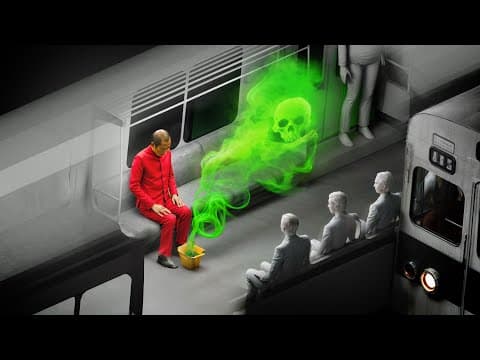
On the morning of the attack, five cult members were tasked with releasing sarin gas in different subway lines. They used simple methods, such as puncturing bags of sarin with umbrellas, to disperse the gas in crowded train cars. The attack was meticulously planned, with members rehearsing their roles just hours before the execution.
As the gas spread through the subway system, passengers began to experience severe symptoms, including coughing, paralysis, and loss of consciousness. Emergency services were overwhelmed with calls, and chaos ensued as people struggled to understand what was happening. The attack resulted in 13 fatalities and left thousands suffering from the effects of the gas.
In the days following the attack, police launched a massive investigation into Aum Shinrikyo. They raided the cult's headquarters and discovered evidence of their chemical weapons program. The cult's leaders, including Asahara, were arrested, and many were later sentenced to death.
The Tokyo subway attack remains a stark reminder of the dangers posed by extremist groups and the potential for charismatic leaders to manipulate followers into committing heinous acts. The incident prompted significant changes in Japan's approach to domestic terrorism and cults, leading to increased scrutiny and regulation of religious organizations.
The Tokyo subway attack was not just a tragic event but a complex interplay of ideology, manipulation, and the dark potential of human belief systems. It serves as a cautionary tale about the power of cults and the importance of vigilance against extremist ideologies that can lead to violence and terror. As we reflect on this incident, it is crucial to remain aware of the signs of manipulation and the potential for individuals to be drawn into dangerous beliefs that can have devastating consequences.