This article explores the idea that modern romance is primarily designed for men, serving as a strategy for lower-status men to compete with wealthier counterparts for women's affection. It delves into historical contexts, cultural narratives, and the dynamics of attraction, revealing that romance was invented by men to level the playing field in the pursuit of love.
I'm Dr. Orion Taraban, and today we delve into a provocative topic: the truth about romance and its implications for men. The assertion that romance is fundamentally a game for men may come as a shock, especially to male readers. However, I aim to illustrate that the elements of modern romance—flowers, chivalry, and grand proposals—are not primarily for women but rather serve men's interests.
This realization struck me as I reflected on the cultural narratives surrounding romance. It is so evident that it often goes unnoticed. Before we dive deeper, I encourage you to support this channel by liking this video and subscribing. Your support helps me continue providing high-quality content.
To illustrate my point, I reference the catchy 90s song "Two Princes" by the Spin Doctors. This song tells the story of two men vying for the affection of the same woman: one is wealthy and established, while the other is poor but sincere. This narrative is a classic trope in romantic stories, where the rich man lacks genuine love, and the poor man embodies true romantic ideals.
This leads to an important question: why is it always the rich, powerful man who is indifferent to love, while the poor man is the one who believes in it? The answer is straightforward: if the roles were reversed, the story would lack conflict. The woman would naturally choose the wealthy man who can provide security and resources. Thus, the narrative of romance has been shaped to favor the underdog story, where the less fortunate man competes against the odds.
Historically, before the concept of romance emerged, relationships were often transactional. In medieval and ancient societies, men were selected based on their wealth and power. The rich man always triumphed, as seen in biblical accounts like that of King Solomon, who had numerous wives and concubines. This historical precedent shows that women often chose men who could provide for them, leading to a significant imbalance in romantic dynamics.
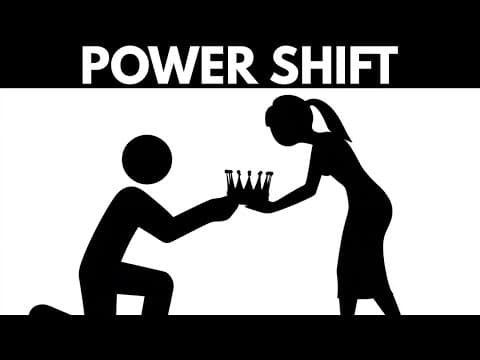
Romance, as we know it, originated in the 15th century in the south of France, invented by chivalric knights. This concept was created by men, for men, as a strategy to compete with wealthier men for access to desirable women. If a man could not convince a woman that he possessed something unique—something beyond material wealth—he would struggle to attract her.
The essence of romance is a strategy employed by lower-status men to compete in the sexual marketplace. This is why romance is often seen as a young man's game; young men typically lack resources but still seek romantic connections. The ability to convince a woman that emotional connection is more valuable than material wealth is a challenging feat, and it often fails. Women may entertain the idea of romance with the underdog but ultimately gravitate towards the man who can provide a stable lifestyle.
Despite the evolution of societal norms, women's preferences have not drastically changed. Women still desire the qualities embodied by powerful men—wealth, wisdom, and generosity. The fundamental nature of attraction remains consistent over time, indicating that romance was crafted by men to help them navigate a competitive landscape dominated by wealthier counterparts.
In conclusion, the narrative surrounding romance reveals that it was invented by men as a means to compete for women's affection in a world where wealth often dictates desirability. This understanding challenges the conventional belief that romance is solely for women, highlighting its strategic roots in male competition. What are your thoughts on this perspective?
Please remember to like, comment, and subscribe to support this discussion. Thank you for listening!