
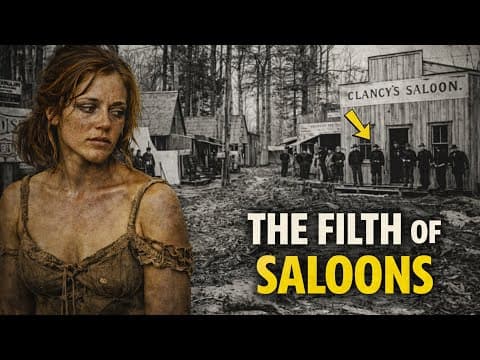
Contrary to popular movie portrayals, Wild West saloons were often dirty, dangerous, and far from glamorous. They were makeshift establishments filled with foul smells, disease, and poisonous liquor. Social rules were strict, violence was quick and deadly, and many groups were excluded. This article uncovers the real conditions and social dynamics inside these infamous frontier gathering places.
Many people imagine the classic Wild West saloon scene as depicted in movies: a stranger pushes open swinging doors, the piano stops, silence falls, and every eye turns toward him. These saloons appear as palaces of polished wood, chandeliers, and shiny counters, full of adventure and drama. However, the reality of Wild West saloons was far different—often dirtier, more dangerous, and in many cases, simply disgusting.
In the earliest mining camps or railroad towns, saloons were often the first businesses to appear. Unlike the grand establishments seen in films, many were improvised tents, dirt huts, or shacks made from crooked boards and scrap materials. As towns grew, simple wooden buildings replaced these, often with fake facades designed to make them look larger and more stable in a chaotic environment.
Only in prosperous cities like Deadwood or Tombstone did more elaborate saloons exist. Yet, even these were far from glamorous. The dominant smell inside was a heavy mix of sour beer, questionable whiskey, accumulated sweat, and thick tobacco smoke. Every time the door opened, dust and horse manure from the dirt street invaded the room.
Music was a rare luxury; most of the time, the atmosphere was filled with muffled conversations and the rough coughing of sick men. The floors were rough wooden planks covered in sawdust to absorb spills and spit, but the surface remained damp and filthy. Counters were sticky and dimly lit by weak oil lamps that added smoke to the air. The famous swinging doors existed mostly for ventilation rather than dramatic effect.
While movies often portray gunslingers as the biggest threat inside saloons, the real enemy was invisible: disease. These crowded, unhygienic places were perfect breeding grounds for germs. Baths were rare since water had to be carried and heated manually. Many families shared the same bathtub water, which became increasingly filthy with each use.
Dental hygiene was almost non-existent. Food stuck between teeth was scraped out with knives, and infected teeth were pulled by barbers or blacksmiths using whiskey as a crude anesthetic. Cities lacked sewage systems; trash was thrown outside and often tracked back inside on customers' boots. Lice, flies, and cockroaches were common.
Deadly diseases such as cholera spread through shared dirty cups, tuberculosis thrived in smoky air, and smallpox spread rapidly. Inside a saloon, disease could kill long before a bullet ever would.
The whiskey consumed by cowboys was nothing like the smooth bourbon portrayed in films. Real aged whiskey was a luxury reserved for the wealthy. Most people drank a dangerous concoction known as "coffin varnish." This fake liquor was made from raw grain alcohol mixed with burnt sugar for color and chewing tobacco for a nicotine-like taste.
Even more hazardous ingredients like turpentine and creosote, a wood preservative, were sometimes added. The resulting drink was so aggressive it could make a person sick almost instantly, hence the grim nickname. With no regulation, such dangerous production was widespread.
Beer was also disappointing—served warm, flat, often spoiled, and sometimes mixed with narcotics to enhance its effects.
Saloons had a reputation as dens of vice, but the reality was less glamorous. The epic bar fights with flying chairs seen in movies were mostly fiction. Real violence was rare, quick, and deadly—usually a punch, a stabbing over gambling debts, or an insult.
Many towns required patrons to leave weapons at the door, so disputes were mostly settled with fists. Gambling was the main entertainment, with both honest dealers and cheaters using marked cards to trick newcomers.
Women in saloons had distinct roles. Saloon girls sang, danced, and kept customers company to encourage spending, a job that provided many women with financial independence. Prostitution, however, was a separate and far more dangerous business, lacking the romanticism shown in films.
Contrary to the lawless chaos often depicted, saloons followed strict social rules and were meeting points primarily for white men on the frontier—cowboys, miners, sheriffs, and outlaws mingled together. The line between lawmen and criminals was often very thin.
However, not everyone was welcome. Respectable women never entered saloons. Native Americans and Chinese immigrants were often turned away at the door. Black men, despite their significant presence in the West, were frequently excluded from white saloons and had to create their own establishments. Even U.S. Army soldiers were poorly received, as their uniforms symbolized authority, which many disliked.
Among those accepted, a strict code prevailed. Asking about someone's past was forbidden. Buying a round of drinks was almost mandatory, and refusing a drink was considered an insult that could easily lead to a fight.
Life inside a Wild West saloon was anything but romantic. These were dirty, foul-smelling places where disease spread easily, liquor was often poisonous, and social rules were harsh. The myth of the elegant saloon is just that—a myth. The real truth lies in the dust, the stench, and the daily struggle to survive.
Understanding the true nature of these establishments offers a more accurate and sobering view of life on the frontier, far removed from the Hollywood glamorization.
If you enjoy real stories about the Wild West, consider exploring more historical accounts to uncover the fascinating realities behind the legends.



















