This blog post explores the complexities surrounding the infamous Jeffrey Epstein list, debunking myths and revealing the darker truths about Epstein's connections, the redacted files, and the implications for victims and powerful individuals involved.
The fascination with Jeffrey Epstein's list has captivated millions, with many believing it to be a simple document containing the names of powerful individuals involved in his trafficking operations. However, the reality is far more complex and troubling. This post delves into the intricacies of Epstein's connections, the reasons behind the redactions in the FBI files, and the implications for victims and the powerful figures implicated.
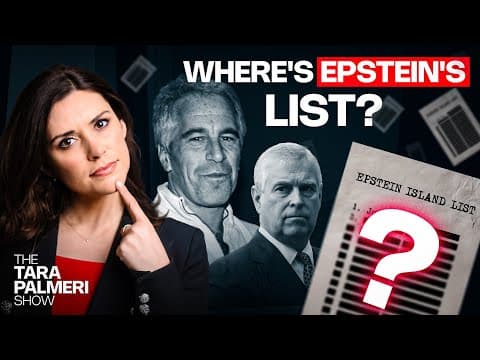
The notion of a definitive "list" of Epstein's associates is misleading. Despite the public's obsession, there is no concrete list as many believe. The so-called list, along with Epstein's little black book and flight logs, has been made public, yet the FBI has not released all pertinent information. This raises questions about what remains hidden and why.
After extensive investigation into Epstein's case, including insights from journalist Julie K. Brown, it becomes clear that the real story is not just about a list. A senior law enforcement official revealed that much of the information in the sealed case is redacted to protect future prosecutions. Prosecutors are wary of revealing evidence that could be used by defense attorneys for powerful individuals, especially given the high-profile nature of the case.
Another significant reason for the redactions is the privacy of the victims, many of whom were minors at the time of their abuse. Many victims chose to come forward anonymously, and their identities and experiences must be protected to avoid further trauma. The FBI's reluctance to release certain details reflects a concern for the psychological well-being of these survivors.
Epstein's operations were not merely about trafficking; they involved a network of powerful individuals and potential intelligence connections. Epstein was known to have interacted with high-profile figures, including politicians and business magnates. His ability to collect compromising information, or "compromat," on these individuals raises questions about the extent of his influence and the protection he received.
One notable figure in Epstein's rise was Les Wexner, the billionaire behind Victoria's Secret. Their relationship was peculiar, with rumors of a tunnel connecting their residences. Wexner's influence and wealth played a crucial role in Epstein's financial ascent, leading to speculation about the nature of their friendship and the potential for shared secrets.
Epstein's death in a New York prison has been shrouded in controversy. The circumstances surrounding his death, including malfunctioning cameras and guards who were reportedly not monitoring him, have led to widespread speculation about foul play. Many believe that his connections to powerful individuals and intelligence agencies could have played a role in his demise.
While some may dismiss these theories as conspiratorial, the coincidences surrounding Epstein's death and the lack of accountability for those involved in his operations raise legitimate concerns. The idea that an intelligence agency could orchestrate such an event is not far-fetched, given the stakes involved.
Despite the evidence suggesting that many powerful individuals were complicit in Epstein's crimes, there has been a lack of prosecution. The government’s failure to act against known offenders, even with video evidence, suggests a deeper issue of corruption and complicity. The protection of these individuals seems to take precedence over justice for the victims.
The ongoing redaction of files and the withholding of names from the public only serve to fuel speculation and distrust. While protecting victims is crucial, there must also be accountability for those who exploited them. The public deserves transparency regarding the identities of those involved in Epstein's operations.
The truth about Epstein's list is far more complicated than a simple document of names. It reflects a web of power, influence, and corruption that extends beyond Epstein himself. As investigations continue, it is essential to prioritize the voices of victims and ensure that justice is served, rather than allowing powerful individuals to evade accountability. The story of Jeffrey Epstein is not just about a list; it is about the systemic failures that allowed such abuses to occur and the urgent need for reform in how such cases are handled.