Since the Taliban regained power in 2021, tourism to Afghanistan has surged, with visitor numbers increasing dramatically each year. Despite ongoing travel advisories from Western governments, the allure of Afghanistan's landscapes and the Taliban's promotional efforts have drawn thousands of tourists. This blog explores the reasons behind this tourism boom, the historical context, and the implications for the country and its people.
Something strange is happening in Afghanistan. Ever since the Taliban regained power in the country in the summer of 2021, tourism has been experiencing a remarkable resurgence. Visitor numbers have been increasing year after year, reaching levels not seen in decades. In 2021, only 691 tourists visited Afghanistan, but by 2022, that number had more than tripled to approximately 2,300. In 2023, it tripled again to around 7,000, and in 2024, the number rose to 9,000. By the first three months of 2025 alone, over 3,000 tourists had already visited, surpassing the total for all of 2022 and setting the stage for another record-breaking year.
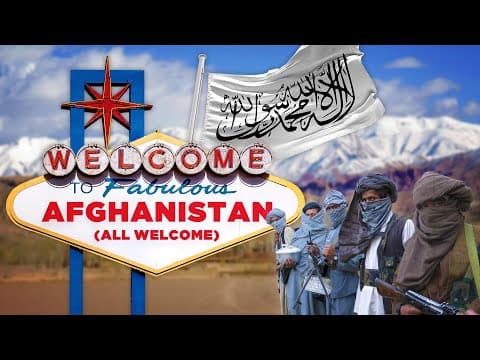
The Taliban has been actively promoting tourism through various advertisements, inviting visitors with messages like "Welcome to Afghanistan." This marketing strategy raises questions about why the Taliban, known for its reclusive and totalitarian regime, is eager to attract Western tourists despite the ongoing travel advisories from Western governments, including the US and UK, which warn against all travel to the country.
Tourism in Afghanistan was once more popular among Westerners, particularly during the 1950s to 70s when the "Hippie Trail" attracted thousands of travelers heading to India and Thailand. This route showcased Afghanistan's stunning landscapes, including the breathtaking Band-e Amir National Park, known for its crystal-clear blue lakes and towering cliffs. However, political turmoil, including the communist revolution in 1978 and the Soviet invasion in 1979, disrupted this flow of tourists.
The Taliban's first rise to power in the 1990s further discouraged tourism, as they implemented strict regulations and destroyed cultural heritage sites, most notably the Bamiyan Buddhas in 2001. These monumental statues, carved into the mountains, were obliterated by the Taliban, marking a significant loss for Afghanistan's cultural and historical tourism potential.
Despite the Taliban's previous actions that undermined tourism, the current regime is attempting to capitalize on Afghanistan's natural beauty and rich cultural heritage. The country is at a crossroads, with a unique appeal for adventurous travelers seeking experiences in a largely unexplored destination. The Taliban's harsh treatment of women and the ongoing international isolation have created a paradox where tourism is seen as a potential lifeline for the regime, providing much-needed foreign currency and legitimacy.
For many Western tourists, visiting Afghanistan represents an adventure and an opportunity to explore a country that few have ventured into in recent years. The allure of posting about their experiences on social media can also attract influencers, who, while visiting, can generate positive coverage for the Taliban, further enhancing their international image.
However, traveling to Afghanistan is not without risks. The presence of ISIS, particularly the Islamic State Khorasan Province (ISK), poses a significant threat to tourists. ISK has targeted Western visitors in the past, leading many to hire armed security for protection. Additionally, the Taliban has been known to detain tourists for arbitrary reasons, further complicating the travel landscape.
The Taliban's strict gender policies have created a unique dynamic for tourists. While Afghan women face severe restrictions, foreign women are allowed more freedom, including the ability to interact with both men and women. This disparity highlights the ongoing human rights issues within the country, as the Taliban seeks to attract tourists while maintaining their oppressive regime.
The Taliban's efforts to improve their international standing have led to some countries, like Russia, recognizing their government. This shift could pave the way for increased tourism and economic opportunities, potentially easing the sanctions that have crippled Afghanistan's economy. As the Taliban seeks to legitimize their rule, the tourism sector may play a crucial role in their strategy.
The unexpected tourism boom in Afghanistan under Taliban rule presents a complex and multifaceted situation. While the country offers stunning landscapes and rich cultural heritage, the ongoing risks and human rights violations cannot be overlooked. As tourism continues to grow, it remains to be seen how this will impact Afghanistan's future and the lives of its people. The interplay between tourism, international relations, and the Taliban's governance will shape the narrative of Afghanistan in the years to come.