This article explores some of the most infamous viral news fails, including the racist pilot name blunder by KTVU, an on-air reporter clash, and a notorious bug-in-mouth reporter incident. It delves into the circumstances behind these mistakes, the consequences faced by those involved, and the lessons they offer about journalistic integrity and the pressures of breaking news.
Viral news bloopers and reporting fails come in many forms, from embarrassing name mispronunciations to on-air disputes and unexpected mishaps. These moments, often shared widely on the internet, reveal the pressures and pitfalls of live news reporting. This article takes a deep dive into some of the greatest viral news blunders, exploring the bizarre circumstances behind them and the serious consequences for the reporters and stations involved.
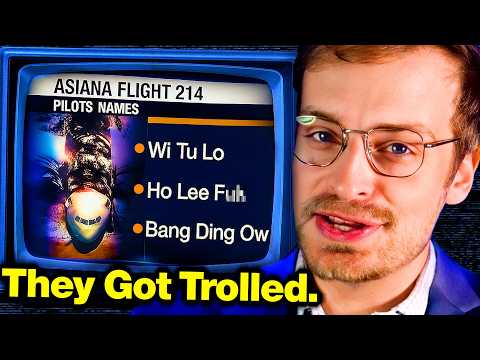
One of the most notorious news fails involves the misreporting of the names of pilots involved in a tragic airline crash. The names "Sum Ting Wong," "Wi Tu Lo," "Ho Lee Fuk," and "Bang Ding Ow" were broadcast by Fox affiliate KTVU as the pilots of Asiana Airlines flight 214, which crashed on July 6, 2013, at San Francisco International Airport.
On July 6, 2013, Asiana Airlines flight 214 was scheduled to fly from Seoul, South Korea, to San Francisco, California. The flight was piloted by Lee Gang-guk, a relatively inexperienced pilot with about 40 hours flying a Boeing 777, and his instructor Lee Jeong-min. The flight itself went smoothly until the landing attempt.
At approximately 11:30 AM Pacific Time, the plane attempted to land but was flying too low due to a combination of low approach speed and mismanagement of the auto throttle. The aircraft's tail clipped a sea wall, causing the tail to detach and the fuselage to slide across the runway. Although most passengers survived, over 200 were injured, and tragically, two Chinese high school students died in the crash. Another student was fatally run over by a fire truck responding to the accident.
In the days following the crash, KTVU sought to provide exclusive updates. On July 12, their lead anchor announced the names of the pilots as "Sum Ting Wong," "Wi Tu Lo," "Ho Lee Fuk," and "Bang Ding Ow," claiming confirmation from the National Transportation Safety Board (NTSB). However, these names were fabricated and racially insensitive jokes.
The mistake was quickly noticed by viewers who contacted the station, pointing out the obvious hoax. KTVU issued an apology, but the damage was done.
The error was a perfect storm of poor journalism and procedural failures:
The fallout was severe:
Despite the blunder, the anchor who read the names, Tori Campbell, was not fired, as she was simply reading information she believed to be verified.
Tensions between news anchors and reporters are common behind the scenes, but rarely do they erupt on air. One notable exception occurred between two veteran New York reporters, Jim and Dick, who engaged in a heated exchange during a live broadcast.
During the broadcast, Jim criticized Dick's reporting approach, saying, "If I have to teach you how to be a reporter, Ali, I’ll do that later. Now I’ll give you some lessons on how to be an editor because I was your boss once."
Dick retorted, "Yeah, you were and are no longer. How did that happen?"
The exchange was tense and unprofessional, surprising viewers and colleagues alike.
Fox 5, the station involved, declined to comment on the incident. However, the general manager, James Clayton, described it as "a little tiff" that both men regretted. He emphasized that both were professional journalists with good reporting instincts and that they remained on good terms.
In the early days of YouTube, news bloopers were a major attraction. One of the most iconic clips features a reporter named Chris Woods, who had a memorable on-air moment involving a bug flying into his mouth.
While reporting live from Augusta High School, a bug flew into Chris Woods' mouth, causing him to exclaim in frustration and shock:
"The fucking is that? Shit. Shit flying in my mouth. The fuck, I can’t see. And uh, let’s get the fuck out of this country, motherfucker."
This candid and unfiltered reaction was caught on camera and became a viral sensation, parodied and celebrated repeatedly.
This incident opened a rabbit hole of similar news bloopers involving unexpected interruptions and candid moments. It highlighted the unpredictable nature of live reporting and the human side of journalists.
These viral news fails underscore several important lessons for journalism:
Viral news fails, while often humorous or shocking, reveal the intense pressures and challenges faced by journalists. From the tragic consequences of the Asiana Airlines crash misreporting to the human moments caught on live TV, these incidents remind us of the importance of accuracy, professionalism, and humility in news reporting. As consumers of news, understanding these dynamics can foster a more critical and empathetic view of the media we rely on every day.