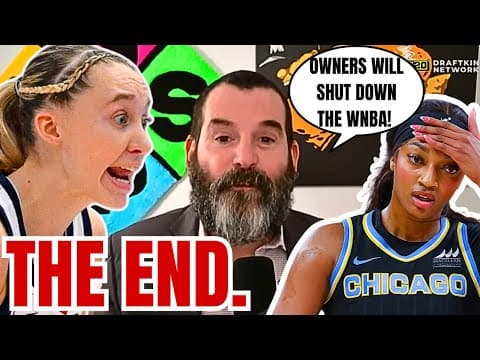
The WNBA is at a pivotal moment as players push for significant revenue sharing in their new collective bargaining agreement, while owners resist, threatening the league's future. Industry experts warn that if players demand too much too soon, it could lead to the league folding, especially with competing leagues like Project B attracting top talent. The situation highlights tensions between player demands and the financial realities of a league yet to turn a profit.
The Women's National Basketball Association (WNBA) is currently embroiled in a high-stakes negotiation between its players and owners. The players' association recently voted to authorize a potential strike, signaling serious unrest and dissatisfaction with the current collective bargaining agreement (CBA) negotiations. This article explores the dynamics of this conflict, the offers on the table, and the potential consequences for the league's future.
The WNBA Players Association has taken a strong stance by authorizing a strike, indicating that players are prepared to halt play if their demands are not met. Central to their demands is a shift toward revenue sharing rather than fixed salary figures. This demand reflects a desire for players to receive a percentage of the league's revenue, aligning their earnings more closely with the league's financial success.
On the other side, the WNBA owners have presented a new offer that includes significant salary increases. By the final year of the proposed deal, top players could earn up to $2 million, with minimum salaries also seeing substantial increases. This offer is considered generous by many standards, especially given the league's historical financial challenges.
David Sampson, a respected sports business executive and former Miami Marlins president, shared his views on the situation during an appearance on the Dan LeBatard Show. Sampson emphasized that the players' demand for revenue sharing is unlikely to be met by the owners. He warned that if the players insist on this demand, it could lead to the end of the WNBA.
Sampson highlighted several key points:
One of the most alarming possibilities raised is the potential folding of the WNBA if negotiations fail. Sampson suggested that if the players do not accept the current offer and continue to push for revenue sharing, the owners might decide to end the league altogether.
This scenario is compounded by the emergence of competing leagues, such as Project B, which reportedly pays some players multi-million dollar salaries to play overseas. The existence of such alternatives increases the risk of player defections and undermines the WNBA's position.
The idea of the WNBA folding would be unpopular among fans, but the extent of this unpopularity is debatable. While the league has grown its fanbase to approximately 2.5 million viewers, this number is relatively modest compared to other major sports leagues. If the league were to fold, many casual fans might quickly move on, diminishing the cultural impact of such a loss.
Experts suggest that the players should consider accepting the current offer, which includes substantial salary increases, and revisit revenue sharing discussions in future agreements. This approach would allow the league to become profitable first, creating a stronger foundation for more ambitious financial arrangements.
Incremental progress is seen as a more viable path forward than demanding all changes at once, especially in a league still striving for financial stability.
The WNBA stands at a critical juncture. The tension between players seeking greater financial rewards through revenue sharing and owners focused on financial sustainability creates a challenging negotiation environment. The potential for a strike and even the league's collapse underscores the seriousness of the situation.
Accepting the current offer could provide a balanced solution, ensuring players receive fair compensation while allowing the league to grow and eventually share revenue more equitably. The coming months will be decisive for the future of women's professional basketball in the United States.
Thank you for reading this comprehensive analysis of the WNBA's current labor negotiations and the potential implications for the league's future. Stay tuned for further updates on this evolving story.