
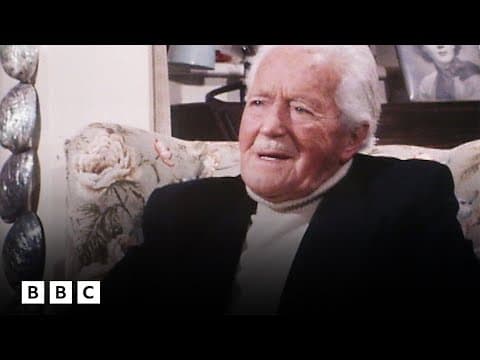
A Titanic survivor shares a detailed account of the ship's collision with the iceberg, the evacuation process, and the struggle to survive in the freezing waters. He recalls helping others, the chaos on deck, and being rescued by the Carpathia, highlighting the emotional and physical challenges faced during the disaster.
The sinking of the Titanic remains one of the most tragic maritime disasters in history. A survivor provides a vivid and personal account of the events that unfolded on that fateful night, offering insight into the chaos, fear, and courage experienced by those on board.
The survivor describes the collision not as a violent crash but more like "jamming your brakes on a car." There was no significant impact noise; the ship simply stopped. Looking out of a porthole, he saw a clear sky with shining stars and a dead calm sea, which made it difficult to comprehend the severity of the situation.
Upon leaving his cabin, he moved forward to the well deck on the starboard side and noticed ice on the deck but no visible iceberg. The lights from the portholes illuminated the water, and there was no apparent damage above the waterline. However, it became clear that the ship had slipped over the iceberg, which had sliced through the starboard side from the forward section to the engine room, cutting through two watertight compartments.
Orders were given to launch the lifeboats with the traditional priority of women and children first. The lifeboats were swung out and gradually filled. The first boats launched from the port side were not full, as many passengers were hesitant to board due to the 70-foot drop to the water and disbelief that the ship would actually sink.
The Titanic had 16 lifeboats, each capable of carrying 50 people, which could have saved 800 passengers if fully utilized. However, only about 500 were saved, indicating many empty seats on the initial lifeboats.
The survivor was ordered to retrieve as many biscuits as possible from the storeroom. Upon returning to the boat deck, the situation had worsened with people scrambling to board lifeboats amid a severe list to port. The starboard lifeboats could not be lowered due to the tilt.
Before putting on his own life belt, he encountered a young couple, Mr. and Mrs. Clark, who had spent their honeymoon in France and boarded at Cherbourg. Mrs. Clark was struggling with a lifeboat, so he helped secure her and encouraged her to board, assuring her that her husband would follow. She was reluctant to leave him but eventually got into a lifeboat on the port side.
As third-class passengers began to flood the decks—about 700 of them—the survivor felt he had done all he could to assist. He moved to the poop deck to escape the chaos. The ship was sinking rapidly, and he heard the sounds of everything crashing inside as the Titanic lifted and then sank.
He clung to a board marked "Keep Clear Propeller Blades" and was lifted high into the air before dropping into the water with a loud crack. Fortunately, he did not hit anything solid. The water was filled with bodies, and he looked up to see the Titanic's propellers and rudder out of the water before the ship finally disappeared.
The survivor did not want to die but saw little chance of survival as he began to freeze. By the grace of God, he was eventually pulled into a lifeboat, which contained about a foot of water and a dead fireman. Another man was struggling and had to be tied down. The rest of the lifeboat occupants were women and children.
He sat next to Mrs. Clark, who immediately asked about her husband. He had not seen him but hoped he was all right. Mrs. Clark wrapped him in her cloak, likely saving his life as he was nearly frozen solid. He believes that while he saved her by helping her board the lifeboat, she in turn saved him.
At first light, the Carpathia arrived. The ship, about 7,000 tons and en route to the Mediterranean, took all survivors on board and transported them to New York. The survivor praises Captain Rostron for his excellent leadership during the rescue.
The survivor still has the gunmetal watch he wore when he entered the water. The watch stopped at approximately 2:20 AM, indicating the time he went into the freezing sea. He recalls that the watch lasted about 20 minutes underwater, much like his own endurance.
When asked if recounting the incident bothers him, he admits it likely will cause nightmares, even at his advanced age. The memories of that night continue to haunt him, replaying vividly in his mind.
This firsthand account provides a poignant and detailed perspective on the Titanic disaster, highlighting the human experiences behind the historical event. It underscores the bravery, tragedy, and enduring impact of that night on those who lived through it.



















