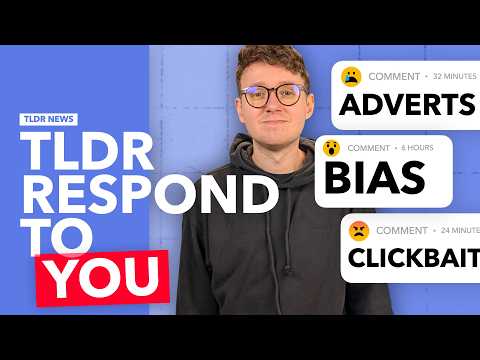
In a recent video, the TLDR team addressed various viewer criticisms, including perceived political bias, spelling errors, and advertising practices. The team emphasized their commitment to impartiality, acknowledged mistakes, and discussed ongoing improvements to enhance viewer experience and content quality.
In a recent video, the TLDR team took the opportunity to respond to viewer complaints and criticisms. This annual tradition allows the team to engage with their audience and address concerns directly. The team, consisting of various writers, animators, and editors, shared their insights on several recurring issues raised by viewers.
The video featured several members of the TLDR team:
One of the most common criticisms was the perception that TLDR has a left-wing bias. The team acknowledged this concern, explaining that while individual team members have their own political opinions, the company strives for impartiality. They emphasized that the writing process involves multiple perspectives, with various team members contributing to the final product. This collaborative approach helps ensure a range of views are considered, and the team engages in regular discussions to address potential biases.
Another frequent complaint was about spelling errors in videos. The team explained that time constraints often lead to mistakes, as scripts are finalized in the morning and videos must be uploaded by the end of the day. However, they noted that they have implemented measures to reduce these errors, including having animators and writers review videos before publication. The team is committed to improving the quality of their content and has seen a decrease in spelling mistakes over time.
Viewers also pointed out inaccuracies in maps used in videos. The team categorized these errors into basic mistakes and complex border disputes. To address this, they are developing a standardized map animation document to ensure accuracy and consistency in future videos. Writers will provide specific guidance on map details to minimize errors related to disputed borders.
Some viewers expressed confusion about the availability of TLDR content on social media platforms. The team clarified that most content is primarily available on YouTube. Additionally, they addressed concerns about sourcing, stating that they do include sources in video descriptions. The team is working to make these sources more accessible and clearly labeled for viewers.
Criticism regarding the use of certain phrases, such as "unprecedented" and the structure of explanations, was also discussed. The team acknowledged that some phrases may be overused and that they strive to maintain clarity in their presentations. They aim to break down complex topics into manageable parts, often using phrases like "three reasons" to enhance understanding.
The team addressed concerns about the length and repetitiveness of advertisements in their videos. They explained that advertising is necessary to support their operations, as producing content incurs costs. While they aim to keep ads at the end of videos, they understand that some viewers find them repetitive due to block sponsorships. The team is committed to maintaining a balance between necessary advertising and quality content.
The TLDR team expressed their appreciation for viewer feedback and emphasized their commitment to continuous improvement. They are actively working on enhancing their content quality, addressing viewer concerns, and maintaining transparency in their operations. The team also mentioned plans to revive certain podcasts and introduce new content formats to engage their audience further.
In conclusion, the TLDR team is dedicated to addressing viewer criticisms and improving their content. They appreciate the feedback and are committed to providing informative and engaging journalism. For those interested in supporting TLDR, they encourage viewers to check out their magazine, which offers in-depth analysis and discussions on various topics. The team is excited about the future and looks forward to continuing to engage with their audience.