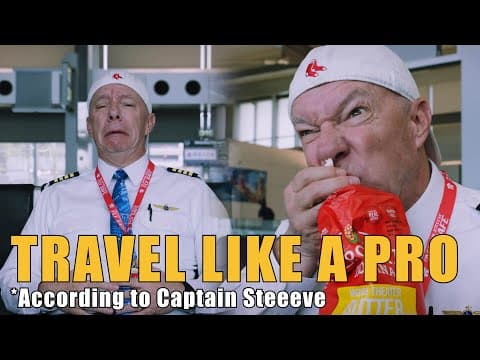
Captain Steve shares essential tips on what not to do before a flight, including avoiding certain behaviors and ensuring personal items and medications are properly managed to ensure a smooth travel experience.
Flying can be a stressful experience, but with the right preparation, you can ensure a smooth journey. Captain Steve shares ten crucial things you should avoid doing before your next flight to make it a success.
The seat back pocket is often referred to as a black hole for personal items. Many passengers have lost belongings by placing them in this pocket. If you want to ensure you never see that item again, go ahead and put it there. Instead, keep your personal items with you or in your carry-on bag to avoid losing them.
While it may seem convenient, placing your phone in your back pocket can lead to it falling out and getting stuck in the seat's crevices. If the seat is power-operated, retrieving your phone could require a mechanic to disassemble the seat. Keep your phone in a secure place to avoid this hassle.
If you're traveling with children, it's essential to bring your own snacks. Airplane food is typically geared towards adults, and you may not find suitable options for kids. Additionally, having snacks can help keep them entertained during the flight. Remember to pack items that can help relieve ear pressure, such as juice for younger children.
Forgetting medications can lead to serious issues, especially for those with chronic conditions like diabetes. Always pack your medications in your carry-on bag to ensure you have access to them during the flight. The airplane is not a hospital, and you may not receive the help you need in time.
Combining alcohol with sleep aids like Ambien can lead to unpredictable behavior during the flight. Many passengers have experienced adverse effects from this combination, leading to embarrassing situations. If you're a nervous flyer, consider other methods to calm your nerves instead of mixing these substances.
While it’s tempting to dress for your destination, consider the possibility of an emergency evacuation. Wear comfortable, cotton clothing that covers your body and sturdy shoes that stay on your feet. This preparation could be crucial in a real emergency situation.
To avoid discomfort during takeoff and landing, chew gum or yawn to help relieve pressure in your sinuses. During descent, you can also perform the Valsalva maneuver by pinching your nose and gently blowing to equalize pressure in your ears.
Traveling while sick is not only inconsiderate to other passengers but can also worsen your condition. The airplane environment can exacerbate symptoms, making it essential to wait until you are fully recovered before flying.
Overstuffed backpacks can be a nuisance on airplanes. They can collide with other passengers and create a crowded aisle. If you must bring a large bag, consider checking it at the gate to avoid carrying it throughout the flight.
Hydration is crucial, even on short flights. The dry air in airplanes can lead to dehydration quickly. Bring a water bottle with you, especially on longer flights, to ensure you stay hydrated throughout your journey.
By following these tips from Captain Steve, you can enhance your flying experience and avoid common pitfalls that many travelers encounter. Safe travels!