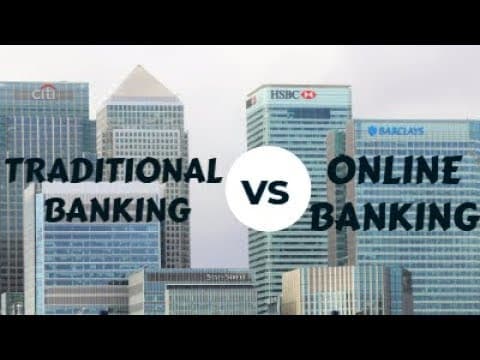
This article explores the advantages and disadvantages of traditional and online banking, highlighting key differences in customer experience, fees, interest rates, and security. It concludes that using both types of banks can provide the best of both worlds for consumers.
In the modern financial landscape, consumers often find themselves weighing the benefits of traditional banking against the convenience of online banking. This article delves into the advantages and disadvantages of both banking systems, helping you make an informed decision about where to manage your finances.
Traditional banks, often referred to as brick-and-mortar banks, are the familiar institutions where most people open their first bank accounts. These banks have physical locations that customers can visit to conduct their banking business.
Face-to-Face Interaction
Many customers prefer discussing financial matters in person. The reassurance of speaking to a bank representative can provide peace of mind that is often lacking in digital communications.
Easier Problem Resolution
When issues arise—such as late fees or lost cards—customers can walk into a branch and resolve problems more quickly than they might through phone calls or emails. In-person discussions can often lead to faster resolutions.
Perceived Security
Some individuals feel safer keeping their money in a physical bank, fearing cyber threats and online fraud. For these customers, traditional banks offer a sense of security that online banking cannot match.
Long Wait Times
Customers often face long queues, especially during peak hours, which can be frustrating and time-consuming.
Limited Hours
Traditional banks operate during specific hours, making it difficult for those with busy schedules to access services when needed.
High Fees
Traditional banks often charge various fees, including monthly maintenance fees and account closure fees. These can add up quickly and diminish the overall value of banking with them.
Low Interest Rates
The interest rates on savings accounts at traditional banks are typically very low, often around 0.09%, which does not keep pace with inflation.
Online banks allow customers to manage their accounts entirely through digital platforms, such as websites and mobile apps. This banking model has gained popularity due to its convenience.
Limited Personal Interaction
The lack of face-to-face interaction can be a drawback for those who prefer personal service when dealing with banking issues.
Dependence on Technology
Online banking relies heavily on internet access. Technical difficulties can hinder transactions and access to funds.
Deposit Challenges
Depositing cash can be more complicated with online banks, as they may not have physical locations for cash transactions.
Security
Contrary to popular belief, online banks are just as secure as traditional banks. They are also insured by the Federal Deposit Insurance Corporation (FDIC), which protects deposits up to $250,000.
Convenience
Online banking is accessible 24/7, allowing customers to manage their finances anytime and anywhere with internet access.
Lower Fees
Online banks typically have fewer fees due to lower overhead costs, which can lead to significant savings for customers.
Higher Interest Rates
Many online banks offer higher interest rates on savings accounts, often around 2% or more, which can help your money grow faster compared to traditional banks.
Ultimately, the decision between traditional and online banking depends on individual preferences and needs. There is no rule against having accounts with both types of banks. In fact, many consumers find that a combination of both offers the best of both worlds.
For example, one might maintain a traditional bank account for everyday transactions and an online bank account for savings to take advantage of higher interest rates. This strategy allows for flexibility and maximizes the benefits of each banking type.
In conclusion, both traditional and online banking have their unique advantages and disadvantages. Understanding these can help you choose the right banking solution for your financial needs. Whether you prefer the personal touch of a traditional bank or the convenience of online banking, the key is to find a balance that works for you.