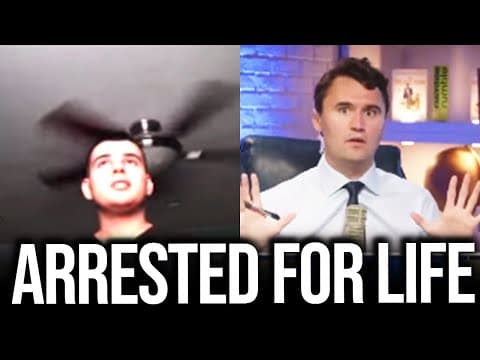
Two teenage girls were killed by a stalker who had been influenced by online figures like Andrew Tate and Charlie Kirk. This incident highlights the dangers of social media radicalization and the failure of authorities to protect victims. The stalker, Vincent Bataloro, had a history of disturbing online behavior and was charged with murder after fleeing the scene.
In a deeply disturbing incident, two teenage girls lost their lives in a tragic event that has raised serious concerns about online radicalization and the failure of law enforcement to protect victims. The girls, Maria Neotus and Isabella Salas, were killed by a 17-year-old stalker named Vincent Bataloro, who had been obsessively following one of them for months. This blog post delves into the details of the case, the influence of social media figures like Andrew Tate and Charlie Kirk, and the broader implications for society.
On a quiet Monday afternoon in Cranford, New Jersey, Maria and Isabella were riding their e-bikes when Bataloro allegedly rammed his Jeep into them. Both girls succumbed to their injuries shortly after the incident. Bataloro fled the scene but was later apprehended and charged with two counts of first-degree murder. Reports indicate that Bataloro had been stalking Maria, parking outside her home for three months, which led her to file complaints and seek a restraining order against him. Tragically, these complaints went unaddressed by law enforcement.
Following the incident, Bataloro live-streamed himself discussing the tragedy, expressing what can only be described as a deranged sense of detachment. He claimed to offer condolences to the victims' families while simultaneously making light of the situation. This behavior is indicative of a deeper psychological disturbance, compounded by the influence of toxic online cultures.
Bataloro's social media activity reveals a troubling pattern of radicalization. His accounts featured retweets of Andrew Tate, a controversial figure known for promoting misogynistic views, and other right-wing content. His online presence suggests that he was deeply influenced by narratives that vilify women and promote a sense of victimhood among young men. This raises critical questions about the impact of social media algorithms that can lead impressionable individuals down dangerous paths.
The case of Vincent Bataloro is not an isolated incident but rather a reflection of a growing trend among young men who feel alienated and radicalized by online communities. The COVID-19 pandemic has exacerbated feelings of isolation, leading many to retreat into digital spaces where extremist ideologies can flourish. The normalization of toxic masculinity and the vilification of women in certain online circles contribute to a culture where violence is seen as an acceptable response to perceived slights.
Bataloro's admiration for figures like Andrew Tate and Charlie Kirk is particularly concerning. Tate's rhetoric often frames masculinity as under attack and promotes a worldview that encourages hostility towards women. Similarly, Kirk's commentary can perpetuate divisive narratives that alienate young men from more constructive social interactions. The combination of these influences can create a dangerous mindset that justifies violence against those perceived as adversaries.
One of the most troubling aspects of this case is the apparent failure of law enforcement to act on Maria's complaints. Despite her attempts to seek protection from Bataloro, the system failed to intervene effectively. This raises critical questions about the responsibilities of authorities in protecting potential victims of stalking and harassment. The lack of action not only contributed to the tragic outcome but also highlights systemic issues within the justice system regarding the treatment of such cases.
The deaths of Maria Neotus and Isabella Salas serve as a tragic reminder of the potential consequences of online radicalization and the urgent need for societal change. It is crucial to address the factors that contribute to the alienation of young men and to create a culture that promotes healthy social interactions rather than hostility. Additionally, law enforcement must take stalking and harassment complaints seriously to prevent future tragedies. As we reflect on this heartbreaking incident, it is imperative to advocate for a safer and more inclusive society for all individuals, regardless of gender.