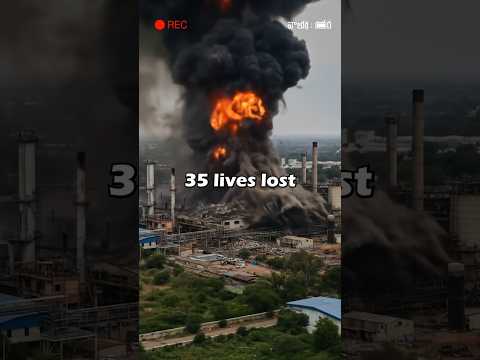
Tragic Explosion at Telangana Pharma Plant Claims 35 Lives
A catastrophic explosion at Sagachi Industries in Telangana resulted in the loss of 35 lives. The incident was caused by a buildup of microcrystalline cellulose dust inside a spray dryer, which ignited due to a spark, leading to a devastating dust explosion. This blog post explores the details of the incident and the underlying physics of such disasters.
A recent catastrophic explosion at a pharmaceutical plant in Telangana has resulted in the tragic loss of 35 lives. This incident occurred at Sagachi Industries, where a buildup of microcrystalline cellulose dust led to a devastating explosion.
The Incident
On the day of the explosion, a significant amount of microcrystalline cellulose dust accumulated inside a spray dryer at the facility. This dust, when combined with the right conditions, can become highly combustible. A single spark ignited the dust, resulting in a rapid and violent explosion that was both brutal and deadly.
Understanding Dust Explosions
Dust explosions are a serious hazard in various industries, particularly those dealing with fine powders. The physics behind these explosions involves several key factors:
-
Combustible Dust: Many materials, when finely divided, can ignite and explode. Microcrystalline cellulose, commonly used in pharmaceuticals, is one such material.
-
Dust Accumulation: For an explosion to occur, there must be a sufficient buildup of dust in the air. In this case, the accumulation inside the spray dryer created an environment ripe for disaster.
-
Ignition Source: A spark or heat source is necessary to ignite the dust. In industrial settings, this can come from machinery, electrical equipment, or even static electricity.
-
Rapid Combustion: Once ignited, the dust can combust rapidly, leading to a powerful explosion that can cause extensive damage and loss of life.
The Aftermath
The explosion at Sagachi Industries has raised concerns about safety protocols in the pharmaceutical industry. Investigations are likely to focus on the safety measures in place to prevent such incidents, including dust control and explosion prevention systems.
Conclusion
The tragic loss of 35 lives in the Telangana explosion serves as a stark reminder of the dangers associated with combustible dust in industrial settings. It highlights the need for stringent safety regulations and practices to protect workers and prevent future disasters. As investigations continue, it is crucial for industries to learn from this incident to enhance safety measures and ensure the well-being of all employees.