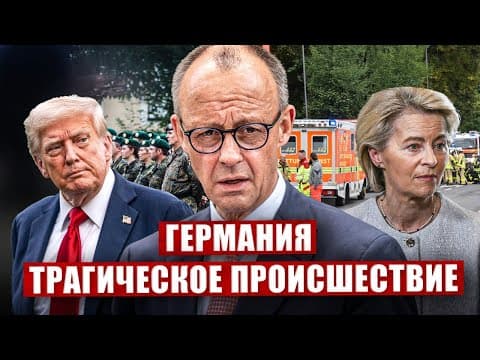
A tragic accident in Krefeld, Germany, resulted in the deaths of two elderly twins. Meanwhile, political tensions rise as calls to ban the far-right party Alternative for Germany intensify. Chancellor Friedrich Merz expresses dissatisfaction with the coalition's performance, while public support for the government declines. Additionally, Europe faces a surge in mosquito-borne diseases linked to climate change, prompting health warnings.
In a day that many consider a holiday, new reports from Germany demand our attention. This blog post will cover a tragic accident in Krefeld, political developments regarding the far-right party Alternative for Germany, and alarming health warnings related to mosquito-borne diseases in Europe.
A devastating road accident occurred in Krefeld, a city in western Germany, where a vehicle crashed into a group of people in a cemetery parking lot. Tragically, two individuals, a man and a woman both in their seventies, lost their lives in this incident. According to police reports, the victims were twins, a brother and sister. Preliminary investigations suggest that the accident was not a deliberate act but rather a result of the driver, a 70-year-old man, losing control of his vehicle. The circumstances surrounding the accident are still under investigation, and updates are expected as authorities continue to gather information.
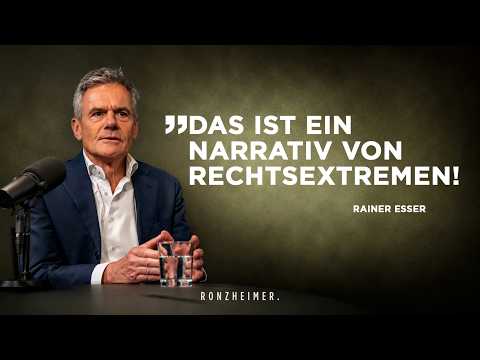
In the political arena, Vice Chancellor Lars Klingbeil has made headlines with his strong stance against the far-right party, Alternative for Germany (AfD). He has called for the party's ban, stating, "We cannot stand by and watch as an openly extremist and anti-constitutional party seeks to undermine our democracy and promotes inhumane policies." This statement has raised concerns among citizens about the state of democracy in Germany.
Chancellor Friedrich Merz has previously indicated that any decision regarding the ban on AfD should be made after thorough analysis. However, during a recent party conference of the Christian Democratic Union (CDU) in Lower Saxony, Merz criticized his coalition partner, the Social Democratic Party (SPD), demanding a clear change in direction. He expressed dissatisfaction with the government's performance, indicating that he expected more from the SPD.
Merz also addressed recent discussions about potential tax increases proposed by Klingbeil, firmly stating that under his leadership, income taxes would not be raised. This declaration reflects his frustration with the current coalition's effectiveness and highlights the growing tensions within the government.
Recent polls indicate a significant decline in support for the CDU under Merz's leadership, dropping to 25%, which is the lowest in recent months. This places the CDU on par with the AfD, which also holds 25%. Six months ago, the CDU had a higher approval rating of 28.5%. The dissatisfaction with the black-red coalition (CDU and SPD) is evident, as the SPD's support remains low at 15%, slightly down from over 16% during the last elections.
Overall, the coalition's combined support stands at only 40%, insufficient for a parliamentary majority. Public sentiment is also shifting, with 62% of respondents expressing dissatisfaction with the government's performance, while only 26% view it positively. Merz's personal approval rating has dropped to 28%, with 57% of Germans criticizing his actions as Chancellor.
In addition to the political turmoil, Europe is facing a public health crisis. The European Centre for Disease Prevention and Control has reported a surge in mosquito-borne diseases, including West Nile virus and Chikungunya, attributed to climate change. The season for mosquito activity is becoming longer and more intense, raising concerns about the transmission of these diseases becoming a new reality in Europe.
The director of the European Centre emphasized that prevention remains the key strategy to protect the population from these emerging health threats. This warning serves as a reminder of the broader implications of climate change on public health.
As we reflect on these developments, the tragic accident in Krefeld, the rising political tensions in Germany, and the alarming health warnings across Europe highlight the complex challenges facing the continent today. The situation remains fluid, and it is crucial for citizens to stay informed and engaged with these pressing issues.
We encourage readers to share their thoughts on these matters and remain vigilant as events unfold. Until next time, we wish you peace and safety.