
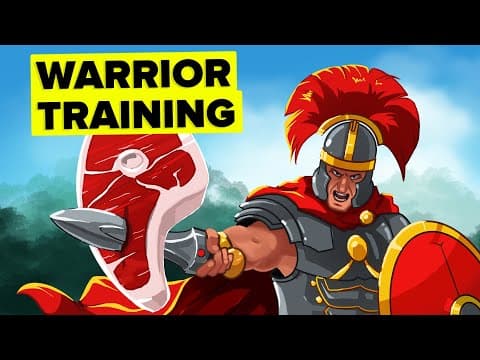
The Roman Legion was a formidable military force, transforming ordinary men into disciplined soldiers through rigorous training, strict recruitment standards, and innovative tactics. This blog explores the evolution of the Roman army, the recruitment process, training regimens, and the factors that contributed to their success in battle.
The Roman army, particularly its largest unit, the Roman Legion, is often regarded as one of the most brilliant military forces in history. This blog post delves into how the Romans transformed ordinary men from farms and villages into formidable warriors, examining the unique practices that set them apart from other societies.
The Roman military underwent significant changes throughout its history, spanning from the Roman Kingdom in the 8th century BC to the fall of the Roman Empire in 395 AD. Despite these changes, many foundational aspects of the military remained consistent. The peak of the Roman Legion's power is often attributed to the era of Julius Caesar, who played a crucial role in the transition from Republic to Empire.
During Caesar's time, a typical legion comprised approximately 4,000 to 5,000 men, primarily infantry, with a smaller cavalry contingent. The army also included non-Roman mercenaries. The late Republic saw significant military reforms, particularly under Gaius Marius, which professionalized the army and established a permanent fighting force.
Before the Marian reforms, soldiers returned to civilian life after campaigns, which hindered the development of a professional army. Marius's reforms allowed soldiers to serve longer, ensuring they gained valuable experience and training. Soldiers were now promised land upon retirement, making military service an attractive option for many men.
To join the legion, a man had to be a Roman citizen. Non-Roman soldiers, known as Auxilia, could earn citizenship through service. The recruitment process involved a probation period called "probatio," where candidates were assessed for their physical fitness, age, and health. Most recruits were between 17 and 23 years old, and the Romans sought strong, healthy individuals, often preferring those with a rural background.
The Romans had specific physical criteria for recruits, including height and build. They preferred men who were at least 173 cm tall and physically robust, as these qualities were believed to correlate with better performance in battle. Medical examinations were conducted to ensure recruits were fit for service, with records indicating that even minor health issues could disqualify a candidate.
The Romans believed that a recruit's upbringing influenced their potential as soldiers. Those from rural backgrounds, accustomed to hard labor and adversity, were favored over city dwellers. Additionally, previous occupations were considered; hunters and blacksmiths were preferred over those with less physically demanding jobs.
Once recruited, soldiers underwent rigorous training lasting four to six months. This training was not solely physical; it also focused on strategy and tactics, which evolved over time. Recruits learned various formations, including the famous testudo, which provided protection during battles.
Marching was a critical component of training, with recruits often covering 20 miles a week while carrying heavy equipment. This practice instilled discipline and ensured soldiers could maintain formation during campaigns. Training also included swimming, which was essential for navigating rivers and toughening recruits against harsh conditions.
Combat training involved mastering the use of javelins, swords, and slings. Recruits practiced with heavier wooden weapons to build strength and speed. Sparring sessions and drills were common, often conducted with the assistance of experienced gladiators. The emphasis on teamwork and camaraderie was crucial, as soldiers needed to rely on each other in battle.
Life as a legionnaire was not solely about combat. When not on campaigns, soldiers engaged in infrastructure projects, such as building roads and policing local populations. Despite the challenges, many soldiers formed strong bonds, which were vital for morale during long campaigns.
After completing their training, recruits swore an oath to the legion and the emperor. While branding or tattoos were uncommon, they received a signaculum, an inscribed lead tablet serving as identification. Legionnaires typically served for 20 to 25 years, with the promise of land and financial stability upon retirement.
The Roman Legion's success can be attributed to its rigorous recruitment standards, comprehensive training, and the ability to adapt tactics over time. While the life of a legionnaire was fraught with danger, the rewards of service and the camaraderie formed among soldiers made it a compelling choice for many men in ancient Rome. The legacy of the Roman military continues to influence modern military practices today.



















