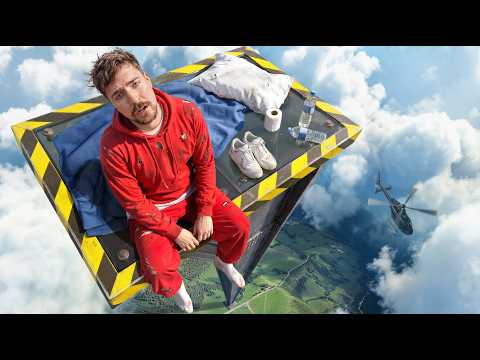
Two strangers, Allison and Angus, are challenged to survive 30 days trapped 100 feet in the air with only the supplies in their crates. Facing harsh weather, personal differences, and the constant risk of falling, they compete for a $250,000 prize. The challenge tests their endurance, adaptability, and mental strength in an extreme environment.
Imagine being trapped 100 feet above the ground with a complete stranger, tasked with surviving for 30 days straight. This is exactly the challenge faced by Allison and Angus, two individuals from very different backgrounds, competing for a quarter of a million dollars.
The challenge started with both participants blindfolded and then suddenly trapped in crates suspended 100 feet in the air. Upon removing their blindfolds, they met each other for the first time. Allison, a construction worker and heavy equipment operator specializing in demolition, and Angus, a reality TV star from the UK who dates for a living, were complete opposites.
Despite their differences, they were thrown together with one goal: survive 30 days in the sky. The stakes were high — if either of them fell, they would lose everything. The prize of $250,000 was theirs to win, but only if they could endure the extreme conditions and outlast the other.
Each participant was given a crate containing everything they needed to survive the month. However, the crates were small and exposed, suspended high above the ground. The tents they lived in were tiny and precariously perched on the edge, making even simple tasks like setting up camp a challenge.
The environment was unforgiving. From the very beginning, the wind was a constant adversary, swinging the tents and making it difficult to stay comfortable. The cold was intense, forcing them to wear coats even on the second day. Rainstorms soaked their tents, and the relentless exposure to the elements tested their resilience.
The challenge was not just physical but also psychological. The two participants were complete opposites, which created tension and uncertainty about how well they could cooperate or coexist. The fact that the prize money would go entirely to the last person remaining added a competitive edge, incentivizing each to outlast the other rather than work together.
Allison adapted quickly to the conditions, preparing her tent and even looking forward to snack time, such as enjoying a chicken burrito bowl. Angus, on the other hand, struggled with the cramped and uncomfortable tent, finding it difficult to sleep and often walking around at night to avoid the soaked and windy conditions inside his shelter.
Living 100 feet in the air exposed them to the elements 24/7. The wind was relentless, the cold biting, and the rain unforgiving. The tents, though appearing cozy, were anything but. The constant swinging and exposure made rest difficult, and the fear of falling was always present.
Despite these challenges, Allison remained composed and focused, while Angus found the experience increasingly difficult. The mental strain of being trapped in such an environment, combined with the competitive nature of the challenge, created a tense atmosphere.
This 30-day survival challenge in the sky is a true test of endurance, adaptability, and mental toughness. Allison and Angus, two strangers with very different backgrounds, are pushed to their limits as they face harsh weather, cramped living conditions, and the pressure of competing for a substantial cash prize.
Their journey highlights the extreme difficulties of surviving in such an environment and the psychological complexities of competing against a partner in a life-or-death scenario. Whether they can endure the full 30 days remains to be seen, but their experience offers a fascinating glimpse into human resilience and the will to survive under extraordinary circumstances.