Ukraine has successfully imposed a blockade on the Kremlin outpost of Transnistria, trapping 1,500 Russian troops and cutting off vital supplies. This move, along with Ukraine's innovative military tactics and attacks on Russian oil infrastructure, is severely weakening Russia's war capabilities. The situation highlights a shift in regional power dynamics and exposes vulnerabilities in Russia's military strategy.
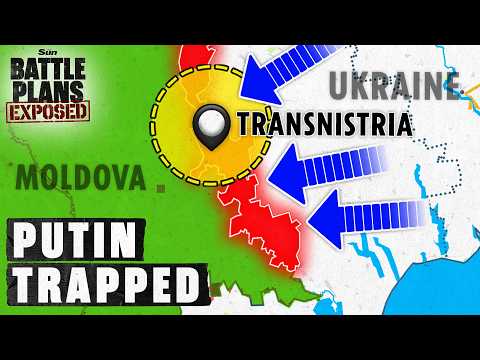
In a significant development in the ongoing conflict between Ukraine and Russia, Ukrainian forces have imposed a blockade on a key Kremlin outpost located 100 miles behind Ukrainian lines. This outpost, known as Transnistria, is a Russian-controlled enclave within Moldova and has long been a strategic foothold for Russia in Eastern Europe. The blockade has effectively trapped approximately 1,500 Russian troops, cutting off their access to supplies and logistics, and marking a critical shift in the operational reality for Russian forces.
The conflict has seen Ukraine making audacious advances, including the destruction of Russian radar and missile systems using medium-range UAVs. This tactic, known as suppression of enemy air defense, has left Russian air defenses vulnerable. Ukraine has also introduced new air defense systems, such as the U.S.-supplied Tempest system, which has already shot down up to 21 Shahed drones, showcasing Ukraine's innovative approach to warfare.
Russian forces are showing signs of desperation in trying to preserve their armored capabilities. The statistics are unfavorable for Vladimir Putin, with a staggering 15 to 1 loss ratio in some engagements. This has forced Russia to take nightmarish measures on the front lines to try and regain an advantage.
Ukraine has extended its offensive beyond the battlefield by attacking Russian oil infrastructure, notably an oil platform in the Caspian Sea operated by Lukoil. These attacks target components that are extremely difficult for Russia to replace, directly impacting Russia's ability to extract and export oil. Given that Russia's war machine is heavily financed by oil revenues, these strikes have significant economic implications.
Transnistria is a narrow strip of land in western Ukraine, within the borders of Moldova, that has been a frozen conflict zone for over 30 years. It is a self-declared breakaway state, unrecognized by any United Nations member, including Russia officially, but effectively controlled by Moscow. Russian troops have been stationed there since the early 1990s, serving as a buffer zone and a strategic outpost.
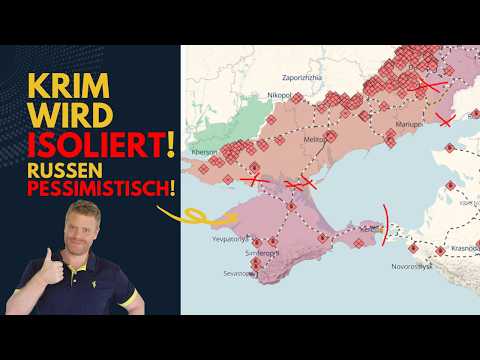
At the start of the year, Ukraine closed its 450 km border with Transnistria, with Moldova following suit by reinforcing checkpoints and tightening security. This has effectively sealed off the region, cutting off Russian troops stationed there from supplies and logistics. The blockade diminishes the threat posed by these forces and signals a shift in regional power dynamics.
Transnistria's economy has historically depended on free Russian gas, which it used to generate electricity sold to Moldova. However, as of January 2026, the transit of Russian gas through Ukraine has ceased, further isolating the region economically.
One of the critical reasons for Russia's presence in Transnistria is the Kobasana ammunition depot, the largest in Eastern Europe. It contains 20,000 to 22,000 tons of explosives, including artillery shells, mortars, rockets, and aerial bombs, many of which have become unstable over time. The potential for a catastrophic explosion equivalent to the atomic bomb dropped on Hiroshima has been estimated by the Moldovan Academy of Sciences.
The origins of the Transnistria conflict date back to the early 1990s when Moldova sought independence from the Soviet Union and closer ties with Romania. The predominantly Russian-speaking industrial region on the east bank of the Dniester River resisted this move, leading to a brief but bloody war in 1992. The Soviet 14th Guards Army intervened on the side of the separatists, establishing a frozen conflict that has persisted for decades.
Russia's strategy of using breakaway regions to paralyze neighboring countries has been employed not only in Moldova but also later in Georgia and Ukraine.
The blockade of Transnistria and Ukraine's advances send a clear message to Putin: Russia's ability to influence the region is waning. The trapped garrison and the severed supply lines highlight vulnerabilities in Russia's military and strategic posture.
Beyond the battlefield, international developments are also affecting Russia's war capabilities. Actions by former U.S. President Donald Trump targeting Russia's war machine, along with political upheavals in Venezuela and Iran, are altering the economic landscape that supports Russia's military efforts.
Ukraine's audacious military advances, combined with strategic economic attacks and international pressure, have placed significant strain on Russia's war capabilities. The blockade of Transnistria, trapping Russian troops and cutting off vital supplies, represents a pivotal moment in the conflict. As the situation evolves, it underscores the importance of innovation, strategic partnerships, and economic warfare in modern conflicts.
This comprehensive overview highlights the complex and multifaceted nature of the ongoing war and the shifting balance of power in Eastern Europe.