Ukraine has executed historic naval drone strikes against Russian shadow tanker fleets near Turkey, effectively blockading 25-35% of Russian oil exports through the Black Sea. Concurrently, Russia's largest oil company Rosneft reports a 70% profit drop amid ongoing attacks on oil infrastructure. Russia escalates missile and drone attacks on Ukrainian cities, while its economy and space program face severe setbacks. Political scandals and propaganda further complicate the conflict's global impact
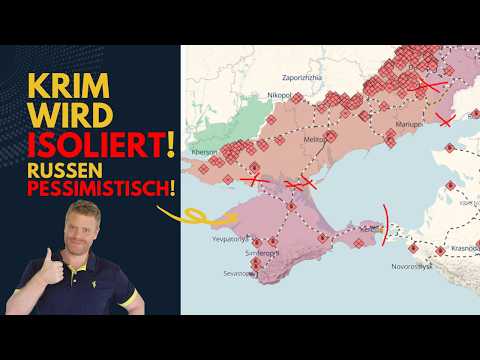
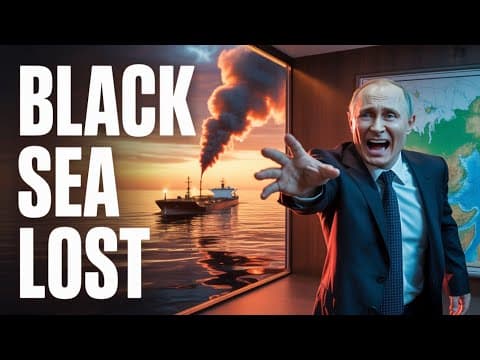
On November 29th, a series of significant developments unfolded in the ongoing conflict between Ukraine and Russia, marking a pivotal moment in military and economic warfare. Ukrainian armed forces achieved a historic naval milestone by successfully targeting and destroying two vessels from Russia's shadow tanker fleet near the coast of Turkey. This operation signals a de facto blockade of the Black Sea, cutting off 25 to 35 percent of Russian oil exports and delivering a substantial blow to Russia's oil economy.
Ukrainian forces utilized homegrown drones to strike two massive Russian oil tankers operating covertly to transport Russian oil through the Bosphorus Straits. The strikes occurred far from Ukrainian shores, near Turkey, suggesting some level of informal consent or coordination with Turkish authorities to avoid environmental disasters and ensure precision.
The first strike was captured on video, showing a Ukrainian drone hitting a tanker, followed by a second strike hours later on another tanker. These vessels were part of Russia's shadow tanker fleet, which plays a critical role in exporting Russian oil to global markets. The successful attacks effectively disrupt a significant portion of Russia's oil exports, marking a strategic victory for Ukraine.
The consequences of these strikes are profound. The port of Novorossiysk, a key oil export terminal, has been forced to halt shipments following drone attacks that damaged critical infrastructure. Tankers have been diverted, and the risk associated with transporting Russian oil in the Black Sea has increased dramatically.
Rosneft, Russia's largest oil company responsible for approximately 40% of the country's oil production, reported a staggering 70% decline in net profits year-over-year for the first nine months of 2025. The company attributes this decline to increased costs related to protecting and repairing oil refineries frequently targeted by Ukrainian strikes.
Furthermore, the shadow tanker fleet now carries an estimated 180 million barrels of Russian oil stranded at sea, incurring significant carrying costs estimated at $100,000 per day per tanker. This situation is driving down the price Russia can command for its oil, with projections indicating China may pay as low as $20 per barrel by 2026.
In retaliation, Russia launched an unprecedented barrage of approximately 650 missiles and drones against Ukrainian cities, particularly Kyiv. The attacks included Iskander and Kinzhall missiles, as well as various drones, targeting power plants, residential buildings, hospitals, and other civilian infrastructure.
The assault lasted for over eight hours, causing widespread power outages, water supply disruptions, and significant civilian casualties, including children. Cluster munitions were reportedly used, increasing the lethality and indiscriminate nature of the attacks. Despite the scale of the bombardment, Ukrainian air defenses managed to intercept many incoming threats.
Russia's economic situation continues to deteriorate. The national wealth fund is depleted, major companies are announcing mass layoffs, and the manufacturing sector is collapsing. The furniture industry, once robust, now faces complete shutdowns, with showrooms empty and workers unemployed.
Additionally, Russia's space program suffered a critical blow when a recent rocket launch failed spectacularly, destroying hardware essential for manned space missions and effectively grounding the program for at least a year.
Oil production in Russia has declined from 10.8 million barrels per day in 2017 to approximately 9.7 million barrels per day, despite official figures likely being inflated. In contrast, U.S. oil production has surged to record highs, underscoring the technological and economic disparities between the two nations.
The conflict's geopolitical dimension is complicated by political scandals and propaganda efforts. Former U.S. President Donald Trump has been linked to efforts to ease sanctions on Russian oil buyers like Hungary and Slovakia, undermining Western sanctions regimes.
Hungary's Prime Minister Viktor Orbán, who received exemptions to continue purchasing Russian oil, has moved to acquire sanctioned Russian assets across Europe, effectively circumventing sanctions and enriching Putin's war machine.
Meanwhile, social media platforms like Twitter have become inundated with Kremlin propaganda, promoting narratives that seek to divide Western societies and undermine support for Ukraine. British authorities have convicted and imprisoned a Member of Parliament for working with Russian influence networks aimed at promoting divisive policies such as Brexit.
Amid the conflict, the humanitarian toll is severe. Civilians continue to suffer from targeted drone strikes and missile attacks. A tragic example includes the deaths of a six-year-old boy and his mother in Kherson, victims of a Russian drone strike.
Despite these hardships, Ukrainian society demonstrates resilience and compassion. Pet ownership is taken seriously, reflecting a cultural emphasis on life and care even during wartime. Protests against Russian occupation continue in regions like Georgia, where citizens demand freedom from Moscow's influence.
The recent Ukrainian naval drone strikes represent a strategic turning point in the conflict, severely disrupting Russia's oil exports and exacerbating the Kremlin's economic woes. Russia's retaliatory attacks on civilian infrastructure highlight the brutal nature of the war, while internal economic collapse and political scandals further weaken the Russian state.
The international community faces complex challenges as propaganda and political maneuvering threaten to undermine unified support for Ukraine. Nonetheless, the courage and resilience of the Ukrainian people remain a beacon of hope amid the ongoing struggle for sovereignty and democracy.
Understanding these developments is crucial for grasping the broader implications of the conflict and the future of regional and global security.