This blog post explores the concepts of fake news, misinformation, and disinformation, highlighting their differences, the impact of social media, and the importance of reliable news sources. It emphasizes the responsibility of individuals to critically assess the information they consume and share.
In today's digital age, the terms "fake news," "misinformation," and "disinformation" have become increasingly prevalent. As we navigate through a sea of information, it is crucial to understand these concepts and their implications on society. This post will delve into the definitions, differences, and impacts of these terms, particularly in the context of social media.
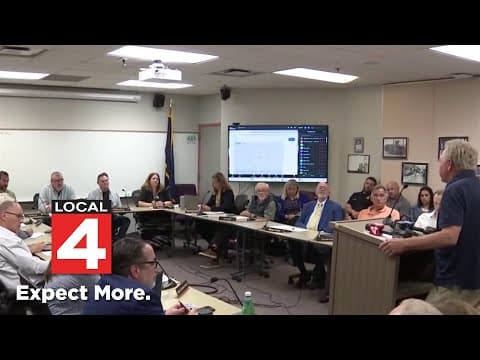
The discussion begins with an acknowledgment of the challenges faced by news organizations, particularly local stations, in an era dominated by social media. The chief meteorologist, who also serves as the lecturer, emphasizes the importance of accurate reporting and the perception of misinformation in the media landscape.
Local news stations often get lumped together with national networks, leading to misconceptions about their credibility. The lecturer highlights that local news organizations strive to report fairly and accurately, despite the challenges posed by misinformation and disinformation.
Understanding the difference between misinformation and disinformation is essential:
This distinction is crucial as it affects how we perceive and respond to the information we encounter.
The lecturer explains that the key difference between misinformation and disinformation lies in the intent behind the information. For instance, if someone shares a false claim believing it to be true, it is considered misinformation. However, if an individual or organization knowingly spreads false information to manipulate public opinion, it is classified as disinformation.
The discussion includes examples of misinformation, particularly in the context of social media. Users are encouraged to share their experiences with fake news, detailing the platforms where they encountered it and how they responded. This engagement fosters a deeper understanding of the issue.
The impact of fake news on society is profound. It can shape public opinion, influence elections, and even incite violence. The lecturer stresses the importance of critical thinking and verifying sources before sharing information.
To combat the spread of fake news, individuals should:
The way people consume news has changed dramatically over the years. With the rise of smartphones and social media, information is more accessible than ever. However, this convenience comes with challenges, as misinformation can spread rapidly through these platforms.
The lecturer discusses the evolution of the news industry, noting that the 24-hour news cycle has led to an emphasis on rapid reporting and sensationalism. This shift has blurred the lines between news reporting and commentary, making it essential for consumers to discern between the two.
In conclusion, the responsibility to combat misinformation and disinformation lies with each individual. By critically assessing the information we consume and share, we can contribute to a more informed society. The lecturer encourages students to engage with reliable sources and to be mindful of the impact of their online interactions.
As we navigate through the complexities of news and information, let us remember that understanding the nuances of misinformation and disinformation is vital in fostering a well-informed public.