This blog post explores HECM debt consolidation, its implications for older homeowners, and how it differs from traditional debt elimination methods. It discusses the current economic climate, the misconceptions surrounding debt, and the advantages of using reverse mortgages for financial relief.
In recent discussions about financial strategies for older Americans, the concept of HECM (Home Equity Conversion Mortgage) debt consolidation has emerged as a viable solution. This blog post delves into what HECM debt consolidation is, how it can benefit older homeowners, and the misconceptions surrounding debt management in today's economic climate.
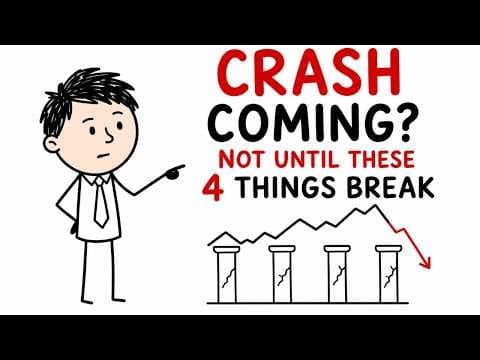
Federal Reserve Chairman Jerome Powell has hinted at a potential recession in 2025, with inflation rates pushing prices significantly higher than they were three years ago. As a result, consumers are accumulating debt at an alarming rate, with credit card interest rates averaging around 24%. This situation raises concerns among economists about the sustainability of consumer spending, which constitutes about 70% of the economy.
Debt consolidation is often misunderstood, particularly in the context of reverse mortgages. Many lenders and financial advisors mistakenly claim that reverse mortgages eliminate debt. However, this is not accurate. According to the Consumer Financial Protection Bureau (CFPB), it is misleading to suggest that a reverse mortgage eliminates debt; rather, it transfers debt from mandatory payments to optional payments. This process is better described as debt management or debt transfer.
HECM debt consolidation specifically refers to using a reverse mortgage to manage existing debts. This approach allows older homeowners to access their home equity to pay off high-interest debts, thereby easing their financial burden without the need to sell their homes or take on additional jobs.
In some circles, debt is viewed as a significant financial sin, leading to misguided advice. Some financial experts advocate for a zero-debt lifestyle, which can be impractical for many, especially seniors facing financial challenges. The Bible offers guidance on managing debt but does not categorically label it as evil. The key is to manage debt wisely rather than eliminate it entirely.
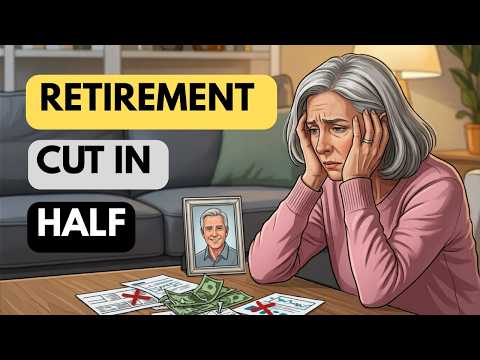
An example highlighted in a recent discussion involved an 86-year-old woman with leukemia and $30,000 in consumer debt. Instead of suggesting a practical solution, financial advisors recommended selling her home or even returning to work, which is not only unrealistic but also detrimental to her well-being. A reverse mortgage could have provided her with the necessary funds to pay off her debt and maintain her quality of life.
Dave Ramsey's debt snowball method, which encourages paying off the smallest debts first for psychological satisfaction, contrasts with the debt avalanche method, which prioritizes debts with the highest interest rates. While both methods have their merits, they may not be suitable for older adults with limited income and high-interest debts. For seniors, accessing home equity through a reverse mortgage can be a more effective strategy, allowing them to pay off debts quickly and move forward without the burden of high-interest payments.
HECM debt consolidation presents a practical solution for older homeowners struggling with debt. By leveraging home equity, seniors can manage their financial obligations more effectively without resorting to drastic measures like selling their homes or taking on additional work. As the economic landscape continues to evolve, understanding and utilizing tools like HECM can empower older Americans to achieve financial stability and peace of mind.
If you found this information valuable, consider sharing it with others who may benefit from understanding HECM debt consolidation. Stay informed about the latest developments in reverse mortgage news and strategies for financial management.